



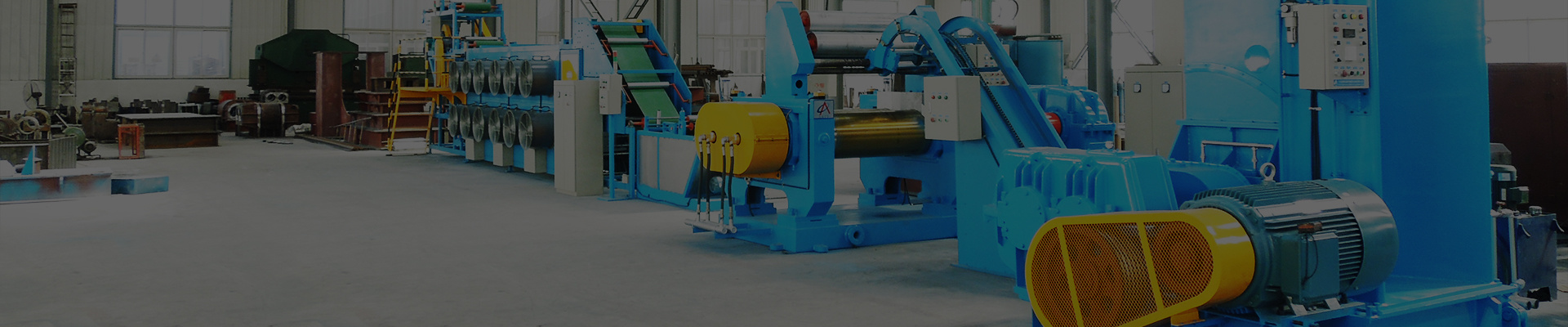
Enhancing Workflow with Advanced Conveyer Systems
Time of issue:
2023-12-01
Advanced conveyer systems have emerged as a game-changer, revolutionizing the way materials and products are transferred within manufacturing facilities
1. Introduction: The Role of Advanced Conveyer Systems in Enhancing Workflow
In today's fast-paced industrial environment, optimizing workflow and maximizing productivity are crucial for businesses to stay competitive. Advanced conveyer systems have emerged as a game-changer, revolutionizing the way materials and products are transferred within manufacturing facilities. This article aims to explore the various benefits, features, and applications of these innovative systems, empowering businesses in the industrial equipment and component industry to make informed decisions regarding their workflow enhancement strategies.
2. Understanding Advanced Conveyer Systems
Advanced conveyer systems are sophisticated machines designed to facilitate the movement of materials, components, and products throughout the production process. These systems utilize various technologies, such as motor-driven belts, rollers, or chains, to transport items efficiently and seamlessly. With advanced control systems and sensors, they can be customized to match specific workflow requirements, ensuring smooth and reliable operations.
3. Benefits of Advanced Conveyer Systems
Implementing advanced conveyer systems offers numerous advantages for businesses aiming to enhance their workflow:
3.1 Increased Efficiency
By automating material handling processes, advanced conveyer systems eliminate the need for manual labor, reducing human error and increasing overall operational efficiency. These systems can handle a large volume of materials in a short amount of time, allowing businesses to meet production demands more effectively.
3.2 Improved Safety
Safety is a top priority in any industrial setting. Advanced conveyer systems are equipped with safety features such as emergency stop buttons, motion sensors, and protective guards to minimize the risk of accidents or injuries. By reducing the reliance on manual handling, these systems create a safer working environment for employees.
3.3 Streamlined Workflow
With advanced conveyer systems, the movement of materials becomes streamlined and synchronized. Components can be transported from one workstation to another seamlessly, reducing bottlenecks and optimizing production flow. This leads to improved overall workflow and increased productivity.
3.4 Space Optimization
In industrial facilities where space is limited, advanced conveyer systems provide a compact solution by utilizing vertical or inclined conveyance. By efficiently utilizing available space, businesses can maximize their production capacity without the need for significant expansions.
4. Applications of Advanced Conveyer Systems
Advanced conveyer systems find applications in a wide range of industries and sectors, including:
4.1 Manufacturing
In manufacturing plants, advanced conveyer systems play a vital role in streamlining production processes. They enable the efficient movement of raw materials, components, and finished products between different stages, ensuring seamless operations and increased productivity.
4.2 Warehousing and Distribution
In the warehousing and distribution sector, advanced conveyer systems facilitate the efficient sorting, packing, and shipping of goods. These systems automate order fulfillment processes, reducing handling time and improving logistics efficiency.
4.3 Food and Beverage
The food and beverage industry often deals with delicate products that require careful handling. Advanced conveyer systems with specialized features, such as adjustable speed and gentle material transfer, ensure the safe transportation of perishable goods, reducing product damage and waste.
4.4 Pharmaceutical and Medical
In the pharmaceutical and medical fields, advanced conveyer systems are utilized for the precise movement of sensitive materials, such as medications, medical devices, and laboratory samples. These systems maintain strict quality control measures, ensuring the integrity and traceability of products.
5. Factors to Consider when Choosing an Advanced Conveyer System
When selecting an advanced conveyer system for your industrial facility, it is essential to consider the following factors:
5.1 Workflow Requirements
Evaluate your specific workflow requirements and identify the critical areas where an advanced conveyer system can make a significant impact. Consider factors such as material type, weight, dimensions, and production volume.
5.2 Customization Options
Look for conveyer systems that offer customization options to align with your unique workflow needs. This may include adjustable speed, modular design, or compatibility with existing equipment. Customization ensures seamless integration with your operations.
5.3 Reliability and Maintenance
Choose conveyer systems from reputable manufacturers that have a proven track record of reliability. Look for systems that are easy to maintain and offer efficient troubleshooting and repair processes to minimize downtime during maintenance.
5.4 Scalability and Future Expansion
Consider the future growth potential of your business and select a conveyer system that can accommodate increased production demands. Scalable systems allow for easy expansion and integration of additional modules if required.
6. Frequently Asked Questions (FAQs)
6.1 What are the key components of an advanced conveyer system?
An advanced conveyer system typically consists of motor-driven belts, rollers, or chains, sensors, control panels, and supporting structures. These components work together to ensure efficient material handling and transport.
6.2 Can advanced conveyer systems be integrated with existing equipment?
Yes, advanced conveyer systems can often be seamlessly integrated with existing equipment in industrial facilities. Customization options allow for easy adaptation and compatibility, minimizing disruption to current operations.
6.3 How do advanced conveyer systems improve productivity?
By automating material handling processes and streamlining workflow, advanced conveyer systems eliminate inefficiencies and reduce reliance on manual labor. This leads to increased productivity, faster production cycles, and improved overall operational efficiency.
6.4 Are advanced conveyer systems suitable for small-scale operations?
Yes, advanced conveyer systems are available in various sizes and configurations, making them suitable for both small-scale and large-scale operations. They can be customized to match the specific needs and production volume of different businesses.
6.5 Can advanced conveyer systems reduce operational costs?
Yes, advanced conveyer systems can contribute to cost reduction in several ways. By minimizing manual labor, businesses can save on labor costs. Additionally, streamlined workflow and increased productivity result in optimized resource utilization, reducing overall operational expenses.
7. Conclusion
In today's competitive industrial landscape, optimizing workflow and maximizing productivity are paramount for businesses to thrive. Advanced conveyer systems offer a range of benefits, including increased efficiency, improved safety, streamlined workflow, and space optimization. By understanding the applications and factors to consider when choosing these systems, businesses in the industrial equipment and component industry can leverage their capabilities to enhance their workflow effectively. Embracing advanced conveyer systems can unlock new levels of productivity and propel businesses towards success in the dynamic world of industrial manufacturing and distribution.
Relevant Information
The Second Day of the Shanghai Exhibition
2025-09-18
The second day of the Greater Bay Area Expo
2025-05-16

ADD
Room 3718,No.9-1.Haifu Road,Dalian Free Trade Zone,China(Liaoning)Free Trade Pilot Area
PRODUCTS