



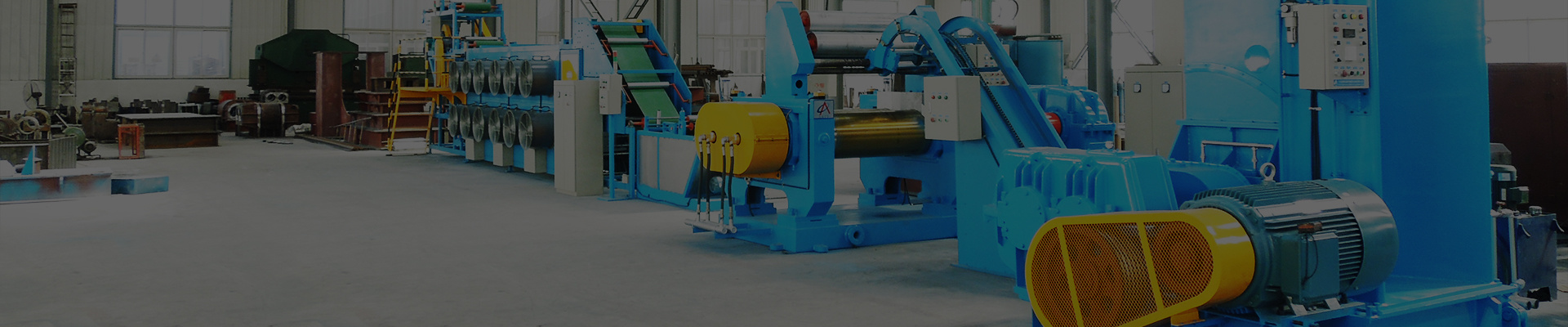
The Ultimate Guide to Plastic Pelletizing Machines: Everything You Need to Know
Time of issue:
2023-12-02
Table of Contents: 1. Introduction to Plastic Pelletizing Machines 2. Understanding the Basics of Plastic Pelletizing 3. Different Types of Plastic Pelletizing Machines 4. Choosing the Right Plastic Pelletizing Machine for Your Needs 5. The Process of Plastic Pelletizing 6. Advantages and Applications of Plastic Pelletizing Machines 7. Frequently Asked Questions (FAQs) 8. Conclusion 1. Introductio
1. Introduction to Plastic Pelletizing Machines
2. Understanding the Basics of Plastic Pelletizing
3. Different Types of Plastic Pelletizing Machines
4. Choosing the Right Plastic Pelletizing Machine for Your Needs
5. The Process of Plastic Pelletizing
6. Advantages and Applications of Plastic Pelletizing Machines
7. Frequently Asked Questions (FAQs)
8. Conclusion
1. Introduction to Plastic Pelletizing Machines
Plastic pelletizing machines play a crucial role in the manufacturing and processing industry. They are used to transform plastic waste and raw materials into uniform pellets, making them easier to handle, store, and transport. By understanding the intricacies of plastic pelletizing machines, you can optimize your production process and achieve higher efficiency.
2. Understanding the Basics of Plastic Pelletizing
Plastic pelletizing is a process that involves melting plastic materials and forming them into small, cylindrical pellets. These pellets are then cooled and solidified, ensuring uniformity in size and shape. Plastic pelletizing machines are designed to automate this process and increase productivity.
To begin with, the plastic materials are fed into the machine through a hopper. They then go through an extrusion process, where the material is heated and forced through a die. The extruded plastic is cut into pellets of the desired length and cooled using water or air. Finally, the pellets are collected and ready for further processing or storage.
3. Different Types of Plastic Pelletizing Machines
There are various types of plastic pelletizing machines available in the market, each catering to specific requirements. Some common types include:
- Strand Pelletizing Machines: These machines use a rotating blade to cut the extruded plastic into pellets. The pellets are then conveyed to a cooling system where they solidify.
- Underwater Pelletizing Machines: In this type of machine, the extruded plastic is directly cut underwater. The pellets are then transported to a centrifugal dryer and then to a water separation system for drying.
- Hot Die Face Pelletizing Machines: These machines involve cutting the extruded plastic through a die face cutter. The pellets are then collected and cooled using water or air.
4. Choosing the Right Plastic Pelletizing Machine for Your Needs
Selecting the right plastic pelletizing machine is crucial for optimizing your production process. Consider the following factors when choosing a machine for your specific needs:
- Material Compatibility: Ensure that the machine you choose is compatible with the type of plastic material you are working with. Different materials may require different processing techniques.
- Production Capacity: Evaluate the desired production capacity and choose a machine that can handle the required throughput. Consider factors such as pellet size, cooling time, and overall efficiency.
- Automation and Control Systems: Look for machines with advanced automation and control systems. These features can enhance productivity, reduce errors, and provide real-time monitoring and adjustments.
- Maintenance and Support: Consider the availability of spare parts, maintenance requirements, and after-sales support when selecting a plastic pelletizing machine. This ensures smooth operations and minimizes downtime.
5. The Process of Plastic Pelletizing
The process of plastic pelletizing involves several steps, including material preparation, extrusion, pellet cutting, and cooling. Let's dive deeper into each of these stages:
- Material Preparation: The plastic materials are sorted, cleaned, and dried to remove impurities and moisture. This ensures quality pellets and prevents machine clogging.
- Extrusion: The prepared plastic materials are fed into the machine's hopper and conveyed to the extruder. Inside the extruder, the plastic is melted and forced through a die, forming a continuous strand.
- Pellet Cutting: Once the extruded plastic reaches the desired length, it is cut into pellets using rotating blades, die face cutters, or underwater cutting mechanisms.
- Cooling: The freshly cut pellets are cooled using water or air to solidify them. This step is crucial for maintaining the shape and quality of the pellets.
6. Advantages and Applications of Plastic Pelletizing Machines
Plastic pelletizing machines offer numerous advantages and find applications in various industries. Some key benefits include:
- Waste Reduction: Pelletizing helps in recycling plastic waste, reducing environmental pollution, and promoting sustainability.
- Cost Efficiency: By converting plastic waste into valuable pellets, businesses can reduce material costs and optimize resource utilization.
- Versatility: Plastic pellets can be used in a wide range of applications, including injection molding, extrusion, blow molding, and more.
- Increased Productivity: Automating the pelletizing process enhances productivity, minimizing manual labor and reducing production time.
7. Frequently Asked Questions (FAQs)
FAQ 1: What types of plastic can be pelletized?
FAQ 2: How can I choose the right pelletizing machine for my manufacturing process?
FAQ 3: Can plastic pellets be recycled?
FAQ 4: What are the advantages of underwater pelletizing machines?
FAQ 5: What factors affect the quality of plastic pellets?
8. Conclusion
In conclusion, plastic pelletizing machines play a crucial role in the manufacturing and processing industry. By understanding the basics, exploring the different types, and choosing the right machine for your needs, you can optimize your production process and achieve higher efficiency. From waste reduction to cost efficiency, plastic pelletizing machines offer numerous benefits and find applications in various industries. With this ultimate guide, you are now equipped with the knowledge to make informed decisions and excel in the world of plastic pelletizing.
Relevant Information
The Second Day of the Shanghai Exhibition
2025-09-18
The second day of the Greater Bay Area Expo
2025-05-16

ADD
Room 3718,No.9-1.Haifu Road,Dalian Free Trade Zone,China(Liaoning)Free Trade Pilot Area
PRODUCTS