



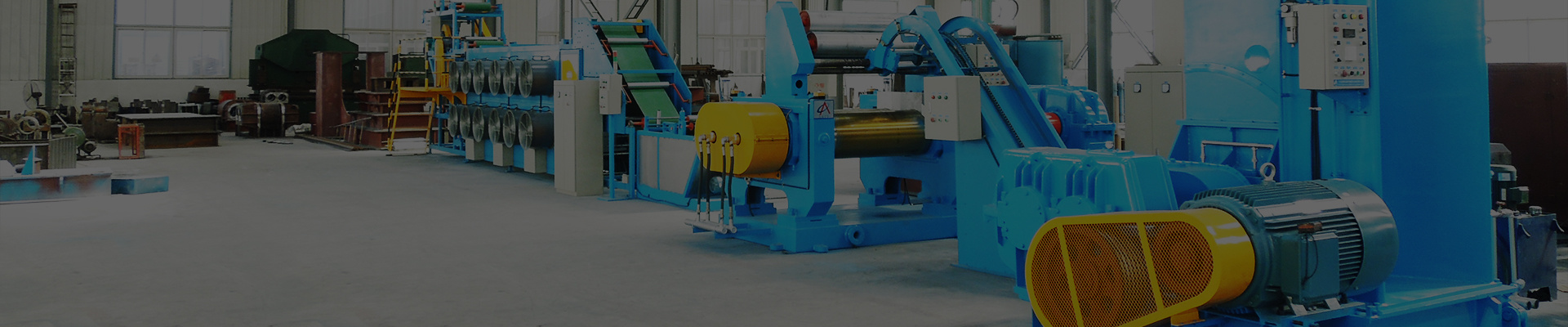
From Raw Materials to Quality Output: Rubber Mixing Mill Explained
Time of issue:
2023-12-14
Table of Contents: 1. Introduction: Understanding Rubber Mixing Mills 2. The Importance of Proper Rubber Mixing 3. Components of a Rubber Mixing Mill 4. Step-by-Step Process of Rubber Mixing 4.1 Preparing the Raw Materials 4.2 Feeding the Raw Materials into the Mill 4.3 Mixing and Kneading the Rubber 4.4 Adding Additives and Fillers 4.5 Ensuring Consistent Temperature 4.6 T
1. Introduction: Understanding Rubber Mixing Mills
2. The Importance of Proper Rubber Mixing
3. Components of a Rubber Mixing Mill
4. Step-by-Step Process of Rubber Mixing
4.1 Preparing the Raw Materials
4.2 Feeding the Raw Materials into the Mill
4.3 Mixing and Kneading the Rubber
4.4 Adding Additives and Fillers
4.5 Ensuring Consistent Temperature
4.6 Testing and Quality Control
5. Advantages of Rubber Mixing Mills
6. Frequently Asked Questions (FAQs)
6.1 What is a rubber mixing mill?
6.2 How does a rubber mixing mill work?
6.3 What are the key components of a rubber mixing mill?
6.4 What are the main challenges in rubber mixing?
6.5 How does temperature affect the rubber mixing process?
7. Conclusion
1. Introduction: Understanding Rubber Mixing Mills
Rubber mixing mills play a crucial role in the manufacturing process of rubber products. These mills are specially designed machines that facilitate the mixing, kneading, and blending of raw rubber materials along with various additives and fillers. By subjecting the rubber to a controlled mechanical and thermal process, rubber mixing mills ensure the production of high-quality rubber output.
2. The Importance of Proper Rubber Mixing
Proper rubber mixing is essential to achieve consistent and uniform rubber properties. By effectively dispersing additives and fillers within the rubber matrix, rubber mixing mills help enhance the physical and chemical properties of the final rubber product. This ensures improved elasticity, strength, durability, and other desirable characteristics.
3. Components of a Rubber Mixing Mill
A rubber mixing mill consists of several key components that work together to facilitate the mixing process. These components include a mixing chamber, rotors, ram, and drive system. The mixing chamber, also known as the "bull ring," houses the rotors, which are responsible for kneading and blending the rubber. The ram assists in the feeding and extraction of the rubber, while the drive system provides the necessary power to rotate the rotors.
4. Step-by-Step Process of Rubber Mixing
4.1 Preparing the Raw Materials
Before the mixing process begins, the raw rubber materials, such as natural rubber or synthetic rubber, need to be properly prepared. This involves cleaning, drying, and cutting the rubber into manageable pieces.
4.2 Feeding the Raw Materials into the Mill
The prepared rubber materials are then fed into the mixing chamber of the rubber mixing mill. The ram assists in pushing the rubber into the chamber, where it comes into contact with the rotating rotors.
4.3 Mixing and Kneading the Rubber
As the rotors rotate, they exert mechanical shearing and compressive forces on the rubber, causing it to mix and knead. This process helps break down large rubber particles, promote uniform distribution of additives, and facilitate the blending of various rubber compounds.
4.4 Adding Additives and Fillers
During the mixing process, various additives and fillers, such as carbon black, vulcanization agents, plasticizers, and reinforcing agents, are incorporated into the rubber. These additives enhance the rubber's properties, such as its strength, flexibility, heat resistance, and chemical resistance.
4.5 Ensuring Consistent Temperature
Maintaining a consistent temperature is crucial in rubber mixing. Many rubber mixing mills are equipped with temperature control systems that ensure the rubber compound remains at the optimal temperature throughout the mixing process. This helps prevent premature curing or degradation of the rubber.
4.6 Testing and Quality Control
After the mixing process is complete, samples of the rubber compound are taken for testing and quality control purposes. These samples are analyzed to ensure that the rubber meets the desired specifications and standards. Any necessary adjustments can be made before proceeding to further processing or manufacturing.
5. Advantages of Rubber Mixing Mills
Rubber mixing mills offer several key advantages to manufacturers in the rubber industry. These advantages include:
- Efficient and uniform mixing of rubber compounds
- Enhanced dispersion of additives and fillers
- Improved physical and chemical properties of rubber products
- Increased productivity and reduced processing time
- Customizable settings for specific rubber formulations
- Quality control and consistency in output
6. Frequently Asked Questions (FAQs)
6.1 What is a rubber mixing mill?
A rubber mixing mill is a machine used in the rubber industry to effectively mix, knead, and blend raw rubber materials with additives and fillers. It plays a vital role in producing high-quality rubber output.
6.2 How does a rubber mixing mill work?
A rubber mixing mill consists of a mixing chamber, rotors, ram, and drive system. The raw rubber materials are fed into the mixing chamber, where the rotating rotors knead and blend the rubber, ensuring uniform mixing. The ram assists in the feeding and extraction of the rubber, while the drive system provides the necessary power for the mixing process.
6.3 What are the key components of a rubber mixing mill?
The key components of a rubber mixing mill include the mixing chamber, rotors, ram, and drive system. These components work together to facilitate the mixing, kneading, and blending of rubber materials.
6.4 What are the main challenges in rubber mixing?
Some of the main challenges in rubber mixing include achieving uniform dispersion of additives and fillers, maintaining consistent temperature, and ensuring proper mixing and blending of the rubber compounds.
6.5 How does temperature affect the rubber mixing process?
Temperature plays a crucial role in the rubber mixing process. It affects the viscosity of the rubber compound, the rate of chemical reactions, and the overall performance of the rubber. Controlling and maintaining an optimal temperature is essential for achieving desired rubber properties.
7. Conclusion
Rubber mixing mills are indispensable machines in the rubber industry, providing manufacturers with the means to produce high-quality rubber output. By following a meticulous process, from preparing raw materials to ensuring consistent temperature and quality control, rubber mixing mills play a vital role in transforming raw materials into valuable rubber products. With their unmatched efficiency and advantages, these mills continue to support the growth and development of the rubber industry.
Relevant Information
The Second Day of the Shanghai Exhibition
2025-09-18
The second day of the Greater Bay Area Expo
2025-05-16

ADD
Room 3718,No.9-1.Haifu Road,Dalian Free Trade Zone,China(Liaoning)Free Trade Pilot Area
PRODUCTS