



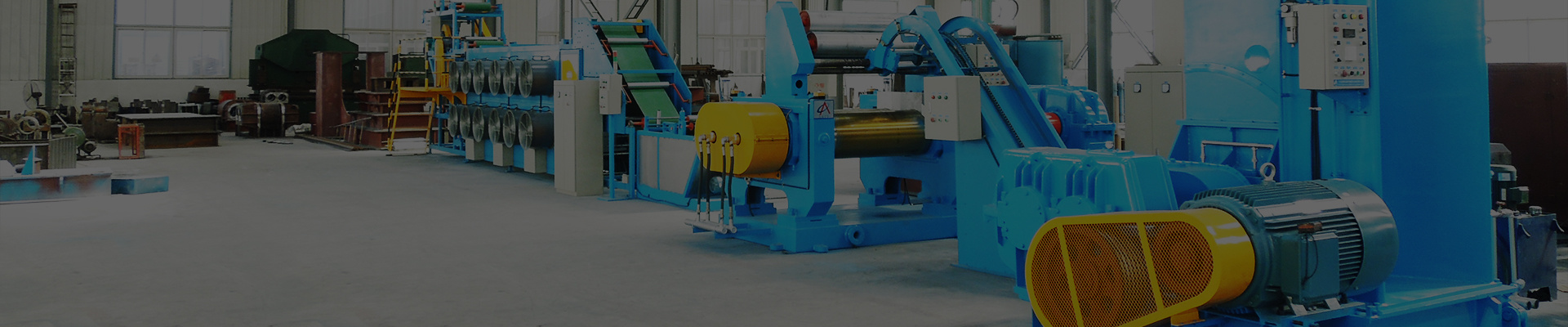
Mastering Efficiency: Best Practices for Operating Rubber Press Machines
Time of issue:
2024-08-08
Mastering Efficiency: Best Practices for Operating Rubber Press Machines Table of Contents Introduction to Rubber Press Machines The Importance of Efficient Operation Key Components of Rubber Press Machines Best Practices for Operating Rubber Press Machines Preparation Steps Before Operation Optimal Machine Settings for Efficiency Regul
Mastering Efficiency: Best Practices for Operating Rubber Press Machines
Table of Contents
- Introduction to Rubber Press Machines
- The Importance of Efficient Operation
- Key Components of Rubber Press Machines
- Best Practices for Operating Rubber Press Machines
- Preparation Steps Before Operation
- Optimal Machine Settings for Efficiency
- Regular Maintenance and Its Benefits
- Training and Safety Protocols
- Troubleshooting Common Issues
- Advancements in Rubber Press Technology
- Conclusion
- FAQs
Introduction to Rubber Press Machines
Rubber press machines play a critical role in the rubber processing industry. These machines are designed to mold and cure rubber materials, transforming raw compounds into finished products. Operating rubber press machines efficiently not only enhances productivity but also improves product quality and reduces waste. In this guide, we will explore best practices, tips, and strategies for maximizing the efficiency of rubber press machine operations.
The Importance of Efficient Operation
Efficiency in operating rubber press machines leads to lower production costs, reduced energy consumption, and improved product consistency. By optimizing processes, manufacturers can meet customer demands more effectively and maintain a competitive edge in the market. Understanding the importance of efficiency will encourage operators to adopt new practices and invest in training and technology.
Key Components of Rubber Press Machines
Rubber press machines consist of various components that work together to ensure smooth operation. Understanding these components is essential for effective operation. The key components include:
Heating Plates
Heating plates are crucial for curing rubber. They must maintain consistent temperatures to ensure proper molding and curing of the material.
Hydraulic System
The hydraulic system provides the necessary force to press the rubber into molds. Regular maintenance of this system is vital to ensure that it operates efficiently.
Control Panel
The control panel allows operators to adjust settings and monitor the machine's performance. Familiarity with the control panel is essential for efficient operation.
Additional Components
Other essential components include the mold, frame, and conveyor system. Each part plays a role in the overall efficiency of the rubber press machine.
Best Practices for Operating Rubber Press Machines
Efficient operation of rubber press machines requires adherence to best practices. Here are some key strategies:
Preparation Steps Before Operation
Prior to operating the rubber press machine, thorough preparation is crucial. Steps include:
- **Inspecting the Machine**: Conduct a routine check to identify any potential issues before starting.
- **Cleaning the Machine**: Ensure that the machine is clean to prevent contamination of the rubber materials.
- **Checking Material Quality**: Verify that the rubber compounds meet specifications, as material quality directly impacts end product performance.
Optimal Machine Settings for Efficiency
Setting the machine correctly is vital for maximizing efficiency. Key settings include:
- **Temperature Settings**: Adjust heating temperatures according to the type of rubber being processed.
- **Pressure Settings**: Set the hydraulic pressure based on the dimensions and characteristics of the mold.
- **Timing**: Optimize curing times to ensure the rubber is fully processed without over-curing, which can lead to defects.
Regular Maintenance and Its Benefits
Scheduled maintenance is essential for prolonging the lifespan of rubber press machines. Benefits of regular maintenance include:
- **Reduced Downtime**: Regular checks help identify issues before they lead to machine failures, minimizing production interruptions.
- **Enhanced Performance**: Well-maintained machines operate more efficiently, leading to improved product quality.
- **Cost Savings**: Preventative maintenance can reduce repair costs and extend the life of the equipment.
Training and Safety Protocols
Investing in operator training is paramount for ensuring safety and efficiency. Operators should be well-versed in:
- **Machine Operation**: Comprehensive training on how to operate the machine and make necessary adjustments is essential.
- **Safety Procedures**: Familiarization with safety protocols helps prevent accidents and injuries in the workplace.
- **Emergency Protocols**: Operators should know how to respond to emergencies, including machine malfunctions or safety threats.
Troubleshooting Common Issues
Even the best machines can encounter problems. Operators should be prepared to troubleshoot common issues:
Inconsistent Product Quality
If products vary in quality, check for temperature fluctuations, improper material mixing, or incorrect mold settings.
Machine Overheating
Overheating can occur due to a lack of cooling or excessive pressure. Inspect the hydraulic system and cooling mechanisms.
Frequent Shutdowns
Frequent machine shutdowns can indicate underlying mechanical issues or poor maintenance practices. Regular inspections can prevent this problem.
Advancements in Rubber Press Technology
Innovation in rubber press technology has led to more efficient and user-friendly machines. Notable advancements include:
- **Automated Controls**: Modern machines are equipped with automated controls that optimize settings for various rubber types.
- **Energy-Efficient Designs**: Newer models consume less energy without sacrificing performance, contributing to lower operating costs.
- **Data Monitoring**: Advanced monitoring systems allow operators to track performance metrics in real-time, enabling proactive adjustments.
Conclusion
Mastering the efficiency of rubber press machines is essential for operators and manufacturers in the rubber processing industry. By implementing best practices, investing in training, and staying updated on technological advancements, businesses can significantly enhance productivity, improve product quality, and ensure a safe working environment. Embracing these strategies will position companies for success in an increasingly competitive market.
FAQs
1. What is the primary function of rubber press machines?
Rubber press machines are designed to mold and cure rubber materials, turning raw compounds into finished products through heat and pressure.
2. How often should rubber press machines be maintained?
Regular maintenance should be scheduled based on the manufacturer's recommendations and the frequency of machine use, typically every few months.
3. What are common issues faced during the operation of rubber press machines?
Common issues include inconsistent product quality, machine overheating, and frequent shutdowns.
4. How can operators improve the efficiency of rubber press machines?
Operators can improve efficiency by thoroughly preparing the machine, optimizing settings, conducting regular maintenance, and receiving proper training.
5. What role does technology play in rubber press machine efficiency?
Advancements in technology, such as automated controls and energy-efficient designs, enhance the efficiency and user-friendliness of modern rubber press machines.
By following the strategies outlined in this article, operators can significantly enhance the efficiency of rubber press machines, leading to increased productivity and better product quality.
Relevant Information
The Second Day of the Shanghai Exhibition
2025-09-18
The second day of the Greater Bay Area Expo
2025-05-16

ADD
Room 3718,No.9-1.Haifu Road,Dalian Free Trade Zone,China(Liaoning)Free Trade Pilot Area
PRODUCTS