



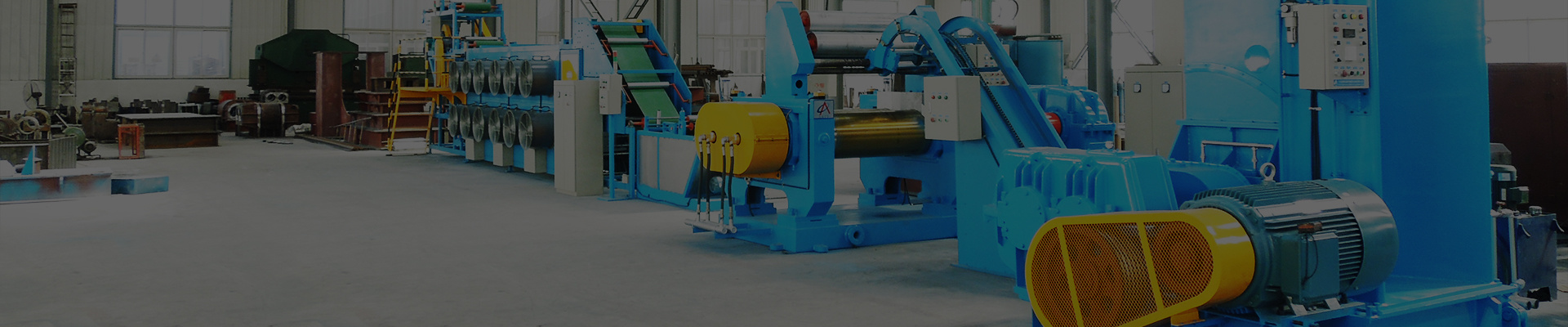
Unleashing the Power of Lab Mixing Mill: A Comprehensive Guide
Time of issue:
2024-08-09
Unleashing the Power of Lab Mixing Mill: A Comprehensive Guide Table of Contents 1. Introduction to Lab Mixing Mills 2. Understanding the Key Functions of Lab Mixing Mills 3. Different Types of Lab Mixing Mills 4. Operational Principles of Lab Mixing Mills 5. Applications of Lab Mixing Mills Across Industries 6. Benefits of Using Lab Mixing Mills 7. Maintenance Tips fo
Unleashing the Power of Lab Mixing Mill: A Comprehensive Guide
Table of Contents
- 1. Introduction to Lab Mixing Mills
- 2. Understanding the Key Functions of Lab Mixing Mills
- 3. Different Types of Lab Mixing Mills
- 4. Operational Principles of Lab Mixing Mills
- 5. Applications of Lab Mixing Mills Across Industries
- 6. Benefits of Using Lab Mixing Mills
- 7. Maintenance Tips for Lab Mixing Mills
- 8. Frequently Asked Questions (FAQs)
- 9. Conclusion
1. Introduction to Lab Mixing Mills
Lab mixing mills represent a critical component of modern manufacturing and research facilities. These sophisticated machines play an essential role in mixing, blending, and processing materials across various sectors, including pharmaceuticals, plastics, and food industries. With their ability to achieve precise mixing ratios, lab mixing mills provide a controlled environment that ensures optimal product quality and consistency.
In this guide, we will delve into the various aspects of lab mixing mills, exploring their functionality, types, applications, and more. By understanding the power of these machines, we can better appreciate their influence on industrial processes and R&D initiatives.
2. Understanding the Key Functions of Lab Mixing Mills
Lab mixing mills serve multiple functions that cater to diverse operational needs. Below are some key functions that highlight their versatility:
2.1. Homogenization
Homogenization is the process of achieving uniform distribution of components in a mixture. Lab mixing mills excel at breaking down particle sizes and ensuring consistent texture in materials such as creams, pastes, and powders.
2.2. Dispersion
Dispersion refers to the distribution of solid particles within a liquid medium. This function is vital for applications in coatings, inks, and pharmaceuticals, where even particle distribution is crucial for product efficacy and appearance.
2.3. Emulsification
Emulsification involves combining two immiscible liquids to form a stable mixture. Lab mixing mills facilitate the formation of emulsions needed in many industries, particularly in food products, cosmetics, and pharmaceuticals.
2.4. Grinding
Lab mixing mills can also function as grinding machines, breaking down larger particles into finer materials. This is particularly useful in the production of powdered substances in the chemical and food industries.
3. Different Types of Lab Mixing Mills
Understanding the different types of lab mixing mills is essential for selecting the right equipment for specific applications. Here are the most common types:
3.1. Two-Roll Mills
Two-roll mills consist of two horizontally mounted rolls that rotate in opposite directions. They are widely used for mixing and processing rubber, plastics, and other viscous materials.
3.2. High-Shear Mixers
High-shear mixers utilize high-speed rotating blades to create shear forces that efficiently mix and emulsify materials. These are ideal for applications requiring rapid mixing and homogenization.
3.3. Planetary Mixers
Planetary mixers incorporate a unique mixing action where the mixing tools rotate around a central axis while also rotating on their axes. This design ensures thorough mixing in a short amount of time, making them suitable for viscous and solid materials.
3.4. Sigma Mixers
Sigma mixers feature a double-arm design that provides excellent mixing efficiency, particularly for thick and heavy materials. They are commonly used in the production of adhesives, sealants, and pastes.
4. Operational Principles of Lab Mixing Mills
Understanding how lab mixing mills operate is crucial for maximizing their potential. The operation of these mills typically involves the following principles:
4.1. Shear and Torque
The effectiveness of mixing in lab mixing mills largely depends on the shear and torque generated during the mixing process. High shear rates can break down particles, while adequate torque helps in the movement of materials within the mixing chamber.
4.2. Temperature Control
Temperature plays a significant role in the mixing process. Many lab mixing mills are equipped with temperature control features that allow operators to maintain optimal conditions for mixing, thereby enhancing product quality.
4.3. Batch Processing vs. Continuous Mixing
Lab mixing mills can be designed for batch processing or continuous mixing. Batch processing is suited for small quantities, while continuous mixing is ideal for high-volume production, ensuring consistent output.
5. Applications of Lab Mixing Mills Across Industries
Lab mixing mills have a wide range of applications across various industries. Here are some notable examples:
5.1. Pharmaceutical Industry
In the pharmaceutical sector, lab mixing mills are crucial for producing ointments, creams, and other formulations where uniform mixing is essential for efficacy and safety.
5.2. Food Processing
Food manufacturers utilize lab mixing mills for creating sauces, dressings, and other emulsified products, ensuring consistency and quality in flavor and texture.
5.3. Chemical Production
The chemical industry relies on lab mixing mills for blending different raw materials to create products such as coatings, adhesives, and sealants, optimizing the mixing process for better performance.
5.4. Plastics Manufacturing
In plastics, lab mixing mills ensure proper blending of additives, colorants, and resins, which is vital for achieving the desired properties in plastic products.
6. Benefits of Using Lab Mixing Mills
Utilizing lab mixing mills presents numerous advantages that contribute to enhanced efficiency and product quality. Here are some key benefits:
6.1. Improved Mixing Efficiency
Lab mixing mills are designed to provide effective mixing and blending, ensuring uniformity in products and minimizing batch variations.
6.2. Versatility
With various types of mixing capabilities, lab mixing mills can handle a broad spectrum of materials, making them suitable for diverse applications across multiple industries.
6.3. Enhanced Quality Control
The precision offered by lab mixing mills allows for better control over formulation processes, leading to higher quality end products that meet industry standards.
6.4. Time and Cost Savings
By streamlining the mixing process, lab mixing mills reduce production time and labor costs, significantly improving operational efficiency.
7. Maintenance Tips for Lab Mixing Mills
To ensure the longevity and optimal performance of lab mixing mills, regular maintenance is crucial. Here are some practical maintenance tips:
7.1. Regular Cleaning
After each use, thoroughly clean the mixing chamber and components to prevent contamination and maintain product quality.
7.2. Lubrication
Regularly lubricate moving parts to minimize wear and tear, ensuring smooth operation and extending the life of the equipment.
7.3. Inspections
Conduct routine inspections of the machine for any signs of damage or wear. Early detection of issues can prevent costly repairs and downtime.
7.4. Calibration
Periodically calibrate the mixing equipment to ensure accuracy in measurements and consistency in the mixing process.
8. Frequently Asked Questions (FAQs)
8.1. What materials can be processed in a lab mixing mill?
Lab mixing mills can process a wide variety of materials, including powders, pastes, liquids, and viscous substances across different industries.
8.2. How do I choose the right lab mixing mill for my application?
Selecting the ideal lab mixing mill depends on factors like the type of materials, desired mixing results, and production volume. Consulting with a supplier can help you make an informed choice.
8.3. Are lab mixing mills easy to operate?
Most lab mixing mills are designed for ease of use, with user-friendly interfaces. However, proper training is recommended to operate them effectively and safely.
8.4. What safety precautions should I take when using lab mixing mills?
Always wear appropriate personal protective equipment (PPE) and follow the manufacturer's safety guidelines. Ensure that the equipment is powered off during maintenance and cleaning.
8.5. How often should I perform maintenance on my lab mixing mill?
Maintenance frequency depends on the machine's usage and the manufacturer's recommendations. However, regular checks and cleaning after each use are advisable.
9. Conclusion
Lab mixing mills play an integral role in modern manufacturing and research environments, enhancing the mixing efficiency and quality of various products. By understanding their functions, types, applications, and maintenance needs, businesses can leverage these machines to drive productivity and ensure exceptional product standards. As industries continue to evolve, investing in reliable lab mixing mills will be essential for staying competitive and meeting consumer demands.
Relevant Information
The Second Day of the Shanghai Exhibition
2025-09-18
The second day of the Greater Bay Area Expo
2025-05-16

ADD
Room 3718,No.9-1.Haifu Road,Dalian Free Trade Zone,China(Liaoning)Free Trade Pilot Area
PRODUCTS