



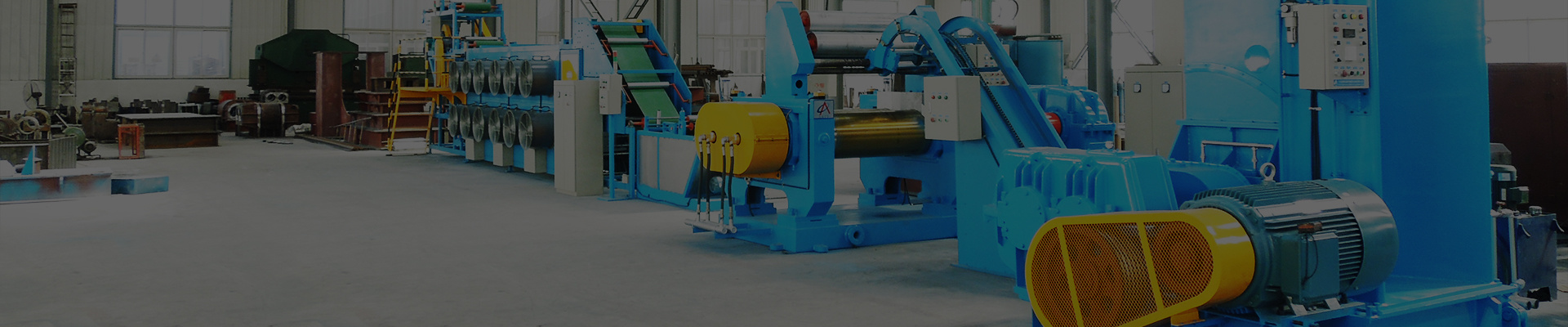
Mastering the Craft: Expert Tips for Operating Rubber Grinding Machines
Time of issue:
2024-07-31
Mastering the Craft: Expert Tips for Operating Rubber Grinding Machines Table of Contents 1. Understanding Rubber Grinding Machines 2. The Importance of Proper Machine Setup 3. Key Components of Rubber Grinding Machines 3.1 The Grinding Wheel 3.2 The Feed System 3.3 The Collection System 4. Techniques for Effective Operation 4.1 Selecting the Right Grinding Technique 4.2 Optimizi
Mastering the Craft: Expert Tips for Operating Rubber Grinding Machines
Table of Contents
1. Understanding Rubber Grinding Machines
2. The Importance of Proper Machine Setup
3. Key Components of Rubber Grinding Machines
3.1 The Grinding Wheel
3.2 The Feed System
3.3 The Collection System
4. Techniques for Effective Operation
4.1 Selecting the Right Grinding Technique
4.2 Optimizing Grinding Speed and Feed Rate
5. Maintenance Practices for Longevity
5.1 Daily Maintenance Checks
5.2 Scheduled Maintenance and Overhauls
6. Safety Protocols for Operating Rubber Grinding Machines
6.1 Personal Protective Equipment (PPE)
6.2 Emergency Procedures
7. Troubleshooting Common Issues
8. FAQs About Rubber Grinding Machines
9. Conclusion
1. Understanding Rubber Grinding Machines
Rubber grinding machines play a pivotal role in the manufacturing and recycling industries. These machines are specifically designed to process various types of rubber, transforming them into fine particles for reuse or further processing. **Understanding the fundamental mechanics** of these machines is crucial for operators seeking to maximize their efficiency and output.
Rubber grinding typically involves breaking down rubber products, such as tires, into smaller pieces. This process not only helps in recycling but also in creating new materials for production. By mastering the operation of rubber grinding machines, operators can contribute significantly to sustainability while ensuring high-quality outputs.
2. The Importance of Proper Machine Setup
Setting up a rubber grinding machine correctly is the cornerstone of effective operation. **A well-configured machine** will ensure optimal performance, reduce wear and tear, and prolong the lifespan of the equipment. Operators should pay close attention to the following aspects during setup:
1. **Calibration of Grinding Parameters**: Adjusting the grinding wheel's speed and the feed rate is essential to achieve the desired particle size.
2. **Checking Electrical Connections**: Ensuring that all electrical components are functioning correctly can prevent malfunctions and safety hazards.
3. **Inspecting the Feed System**: A properly aligned feed system ensures that rubber enters the grinding chamber smoothly and uniformly.
3. Key Components of Rubber Grinding Machines
To operate a rubber grinding machine effectively, one must understand its core components. Each part plays a significant role in the grinding process.
3.1 The Grinding Wheel
The grinding wheel is arguably the most critical component of the machine. **Choosing the right grinding wheel** material and grit size can significantly affect the quality of the output. Operators should select a wheel designed for rubber to optimize efficiency and minimize wear.
3.2 The Feed System
The feed system regulates the amount of rubber entering the grinding chamber. **Consistency in feed rate** is vital for maintaining uniform particle size. Operators should monitor the feed system for any blockages or irregularities.
3.3 The Collection System
Once rubber is ground, it needs to be collected efficiently. The collection system should be designed to minimize dust and facilitate easy removal of ground material. **Investing in a high-quality collection system** can improve productivity and maintain a clean working environment.
4. Techniques for Effective Operation
Mastering rubber grinding requires familiarity with various techniques that enhance both efficiency and output quality.
4.1 Selecting the Right Grinding Technique
Different types of rubber and desired particle sizes may require distinct grinding techniques. **Operators should evaluate the material characteristics and select the appropriate method**, such as cryogenic grinding or ambient grinding.
4.2 Optimizing Grinding Speed and Feed Rate
Finding the perfect balance between grinding speed and feed rate can significantly impact the grinding process. **Adjusting these parameters based on the type of rubber being processed** will yield better results and reduce energy consumption.
5. Maintenance Practices for Longevity
Regular maintenance is crucial for ensuring that rubber grinding machines operate smoothly and efficiently over time.
5.1 Daily Maintenance Checks
Implementing a daily maintenance checklist can help operators identify potential issues before they escalate. Key checks should include:
- Inspecting the grinding wheel for wear.
- Checking all safety guards and covers.
- Monitoring the electrical connections and controls.
5.2 Scheduled Maintenance and Overhauls
In addition to daily checks, operators should adhere to a scheduled maintenance plan. **Regularly servicing machines** can prevent breakdowns and costly repairs. This includes replacing worn parts, lubricating moving components, and cleaning the grinding chamber.
6. Safety Protocols for Operating Rubber Grinding Machines
Safety is paramount when operating rubber grinding machines. Adhering to established safety protocols can prevent accidents and injuries in the workplace.
6.1 Personal Protective Equipment (PPE)
**Wearing appropriate PPE** is essential for operators. This includes safety goggles, gloves, hearing protection, and respiratory masks. Operators should also ensure that their clothing is suitable for the job, avoiding loose-fitting items that could get caught in machinery.
6.2 Emergency Procedures
Having clear emergency procedures in place is vital. Operators should be trained on how to respond to emergencies, such as equipment malfunctions or accidents. **Regular safety drills** can help reinforce these procedures and keep safety at the forefront of operations.
7. Troubleshooting Common Issues
Even with the best practices in place, operators may encounter issues during the grinding process. Here are some common problems and their solutions:
- **Excessive Vibration**: This can indicate an imbalance in the grinding wheel or misalignment in the feed system. Operators should check and correct these issues to restore stability.
- **Inconsistent Particle Size**: If the output varies widely in size, it may be due to incorrect feed rate or worn grinding wheel. Adjustments should be made to achieve uniformity.
- **Overheating**: Overheating can signify that the grinding parameters are set too high. Reducing the grinding speed or feed rate may alleviate this problem.
8. FAQs About Rubber Grinding Machines
**Q1: What types of rubber can be processed with grinding machines?**
A1: Most rubber grinding machines can handle natural rubber, synthetic rubber, and various rubber composites.
**Q2: How often should maintenance be performed on rubber grinding machines?**
A2: Daily checks should be conducted, while more in-depth maintenance is recommended on a monthly or quarterly basis, depending on usage.
**Q3: What safety measures should I take while operating these machines?**
A3: Always wear appropriate PPE, ensure that all safety guards are in place, and be familiar with emergency procedures.
**Q4: Can rubber grinding machines be used for other materials?**
A4: While primarily designed for rubber, some machines can also process plastics and other soft materials, depending on their configuration.
**Q5: How do I choose the right grinding wheel?**
A5: Select a wheel designed specifically for rubber, considering factors like grit size and material composition to optimize performance.
9. Conclusion
Operating rubber grinding machines requires a blend of knowledge, skill, and adherence to best practices. By understanding the machine's components, implementing effective techniques, and following safety protocols, operators can ensure high-quality results and a safer working environment. Continuous learning and improvement in operating practices will not only enhance productivity but also contribute to the overall sustainability of rubber processing. Embracing these expert tips will ultimately lead to mastering the craft of operating rubber grinding machines, setting you on the path to success in this crucial industry.
Relevant Information
The Second Day of the Shanghai Exhibition
2025-09-18
The second day of the Greater Bay Area Expo
2025-05-16

ADD
Room 3718,No.9-1.Haifu Road,Dalian Free Trade Zone,China(Liaoning)Free Trade Pilot Area
PRODUCTS