



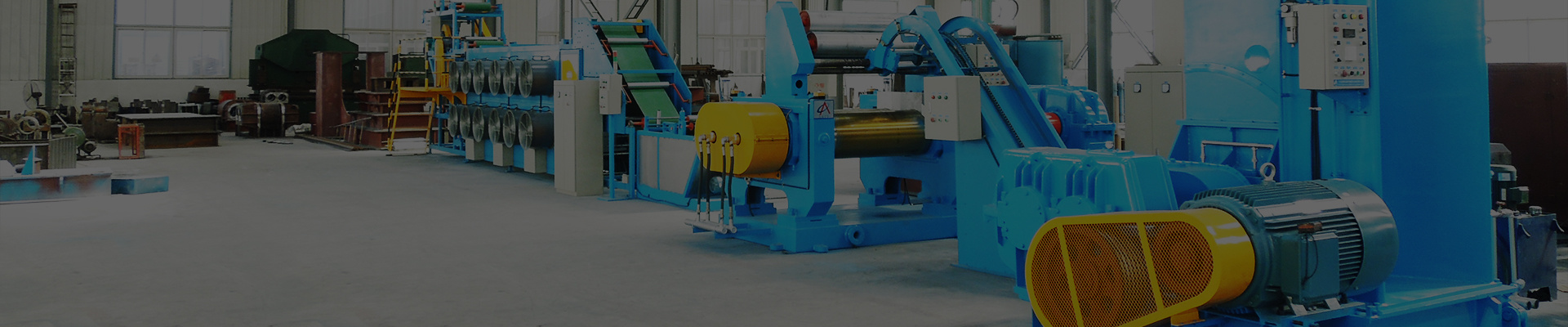
Mastering the Art of Rubber Calendering: A Comprehensive Guide
Time of issue:
2024-07-30
Mastering the Art of Rubber Calendering: A Comprehensive Guide Table of Contents 1. Introduction to Rubber Calendering 2. What is Rubber Calendering? 3. The Importance of Calendering in Rubber Processing 4. Types of Rubber Calendering Machines 5. The Rubber Calendering Process Explained 6. Key Parameters Affecting the Calendering Process 7. Applications of Calendered
Mastering the Art of Rubber Calendering: A Comprehensive Guide
Table of Contents
- 1. Introduction to Rubber Calendering
- 2. What is Rubber Calendering?
- 3. The Importance of Calendering in Rubber Processing
- 4. Types of Rubber Calendering Machines
- 5. The Rubber Calendering Process Explained
- 6. Key Parameters Affecting the Calendering Process
- 7. Applications of Calendered Rubber Products
- 8. Troubleshooting Common Calendering Issues
- 9. The Future of Rubber Calendering Technology
- 10. Conclusion
- 11. Frequently Asked Questions (FAQs)
1. Introduction to Rubber Calendering
Rubber calendering is a critical process in the rubber manufacturing industry, enabling the production of high-quality rubber sheets and other products. Understanding this process is essential for anyone involved in rubber processing, from manufacturers to engineers. In this guide, we will delve deep into the intricacies of rubber calendering, covering everything from basic concepts to advanced techniques.
2. What is Rubber Calendering?
Rubber calendering is a mechanical process that involves passing rubber through a series of rollers to form sheets, films, or other configurations. The calendering machine consists of multiple rollers, typically arranged in a vertical or horizontal format, through which the rubber is fed. This process not only shapes the rubber but also helps in achieving uniform thickness and consistency, making it an indispensable technique in the rubber industry.
Key Characteristics of Calendering
- **Uniform Thickness**: One of the primary benefits of calendering is the achievement of uniform thickness across the rubber sheet.
- **Versatility**: The calendering process can produce a variety of products, including tires, conveyor belts, and rubber flooring.
- **Surface Finish**: Calendering can also enhance the surface finish of rubber products, making them more suitable for specific applications.
3. The Importance of Calendering in Rubber Processing
The calendering process plays a vital role in rubber processing for several reasons:
Enhancing Material Properties
Calendering not only shapes the rubber but also influences its physical properties. The pressure and heat applied during the process can enhance the elasticity, durability, and strength of the final product.
Cost-Effectiveness
By producing high volumes of product with consistent quality, calendering can be a cost-effective method for rubber manufacturing. This efficiency helps companies reduce waste and optimize their production processes.
Meeting Industry Standards
In an industry where quality is paramount, calendering helps manufacturers meet stringent quality standards required for various applications, from automotive to medical uses.
4. Types of Rubber Calendering Machines
Understanding the different types of calendering machines is crucial for selecting the right equipment for specific production needs.
Two-Roller Calenders
This is the most common type of calendering machine, featuring two horizontal rollers that create sheets of rubber. This type is highly effective for producing thin sheets.
Three-Roller Calenders
Three-roller calenders add an extra roller to the configuration, which helps in achieving better control over the thickness and surface quality of the rubber.
Four-Roller Calenders
Four-roller calenders offer even more precision and control, making them ideal for applications that require high-quality surface finishes.
5. The Rubber Calendering Process Explained
The rubber calendering process involves several steps to ensure the quality and consistency of the final product.
Preparation of Rubber Compound
Before the calendering process can begin, the rubber compound must be prepared. This typically involves mixing rubber with additives to achieve desired properties.
Feeding the Compound
Once prepared, the rubber compound is fed into the calendering machine. Proper feeding techniques are crucial to ensure uniform processing.
Calendering Operations
The rubber is then passed through the rollers. The pressure and speed of the rollers can be adjusted based on the desired thickness and properties of the final product.
Cooling and Cutting
After calendering, the rubber sheets are cooled and cut to size. This step is essential for maintaining the quality of the product.
6. Key Parameters Affecting the Calendering Process
Several parameters can influence the outcome of the calendering process. Understanding these factors can help manufacturers optimize their operations.
Roller Temperature
The temperature of the rollers can significantly affect the viscosity of the rubber, impacting the final product's properties.
Roller Speed
Adjusting the speed of the rollers can help achieve the desired thickness and surface finish. Faster speeds may lead to thinner sheets but could also compromise quality.
Pressure Settings
The pressure applied by the rollers is crucial for achieving uniform thickness and material properties. Proper calibration is essential for optimal results.
7. Applications of Calendered Rubber Products
Calendered rubber products serve a wide range of applications across various industries.
Automotive Industry
In the automotive sector, calendered rubber is used for tires, seals, and gaskets due to its durability and performance characteristics.
Construction Industry
Calendered rubber sheets are also utilized in construction for flooring and waterproofing membranes, providing both aesthetic and functional benefits.
Manufacturing and Industrial Applications
Many manufacturing processes rely on calendered rubber for conveyor belts, rollers, and other components where strength and resilience are critical.
8. Troubleshooting Common Calendering Issues
Even experienced manufacturers may encounter challenges during the calendering process. Knowing how to troubleshoot these issues can save time and resources.
Uneven Thickness
If the final product exhibits uneven thickness, check the roller calibration and ensure the rubber is fed evenly.
Surface Defects
Surface imperfections can arise from improper roller temperature or contamination. Regular maintenance of the machinery can help prevent these issues.
Adhesion Problems
If the layers of rubber do not adhere properly, adjustments to the formulation or the calendering process may be necessary.
9. The Future of Rubber Calendering Technology
As technology evolves, so does the rubber calendering process. Innovations in machinery and techniques promise to enhance efficiency and product quality.
Automation and Smart Technology
The integration of automation and smart technology in calendering machines allows for real-time monitoring and adjustments, improving efficiency and reducing errors.
Eco-Friendly Practices
Sustainability is becoming increasingly important, and the rubber industry is no exception. Advances in eco-friendly materials and processes are likely to shape the future of rubber calendering.
10. Conclusion
Mastering the art of rubber calendering is essential for anyone involved in the rubber industry. By understanding the process, equipment, and best practices, manufacturers can improve product quality, enhance production efficiency, and stay competitive in the market. Continuous innovation and adaptation to new technologies will be key to navigating the future of rubber processing successfully.
11. Frequently Asked Questions (FAQs)
What is the main purpose of rubber calendering?
The primary purpose of rubber calendering is to produce uniform sheets or films of rubber while enhancing its physical properties through mechanical processing.
How does temperature affect the calendering process?
Roller temperature influences the viscosity of the rubber, which can significantly affect the final product’s thickness and quality.
What types of products are typically made using calendered rubber?
Common products include tires, conveyor belts, gaskets, and various industrial components that require durability and performance.
What should I do if I encounter surface defects in calendered rubber?
Check the roller temperature, ensure proper cleaning of equipment, and maintain the correct formulation of the rubber compound to minimize surface defects.
Are there advancements in rubber calendering technology?
Yes, advancements include automation, smart technology, and eco-friendly practices aimed at improving efficiency, reducing waste, and enhancing product quality.
Relevant Information
The Second Day of the Shanghai Exhibition
2025-09-18
The second day of the Greater Bay Area Expo
2025-05-16

ADD
Room 3718,No.9-1.Haifu Road,Dalian Free Trade Zone,China(Liaoning)Free Trade Pilot Area
PRODUCTS