



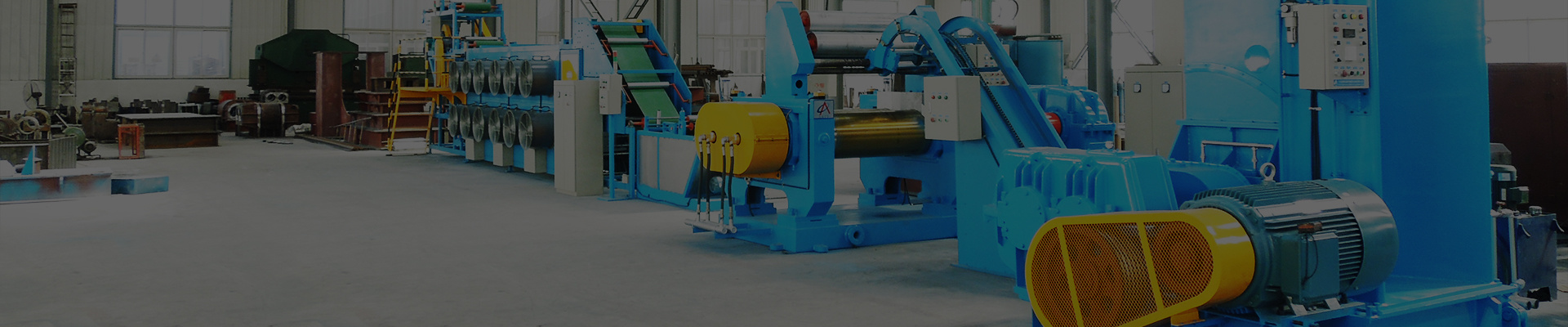
Step-by-Step Guide to Making a DIY Plastic Pellet Machine
Time of issue:
2023-12-20
Table of Contents: 1. Introduction: The Significance of Plastic Recycling 2. Understanding Plastic Pellet Machines 3. Tools and Materials Required 4. Step 1: Designing the Pellet Machine 5. Step 2: Gathering the Components 6. Step 3: Assembling the Frame 7. Step 4: Building the Extrusion System 8. Step 5: Creating the Heating System 9. Step 6: Installing the Motor and Gearbox 10. Step 7: Construct
1. Introduction: The Significance of Plastic Recycling
2. Understanding Plastic Pellet Machines
3. Tools and Materials Required
4. Step 1: Designing the Pellet Machine
5. Step 2: Gathering the Components
6. Step 3: Assembling the Frame
7. Step 4: Building the Extrusion System
8. Step 5: Creating the Heating System
9. Step 6: Installing the Motor and Gearbox
10. Step 7: Constructing the Pelletizing System
11. Step 8: Testing and Troubleshooting
12. FAQs (Frequently Asked Questions)
13. Conclusion
Did you know that plastic waste is one of the biggest environmental challenges we face today? Plastics take hundreds of years to decompose, polluting our oceans, harming wildlife, and contributing to greenhouse gas emissions. However, by recycling plastic, we can minimize its negative impact and conserve valuable resources. In this step-by-step guide, we will teach you how to build your own plastic pellet machine, enabling you to recycle plastic waste and transform it into useful plastic pellets.
Plastic pellet machines are essential tools used in the plastic recycling industry. They convert plastic waste into small pellets, which can then be used for various applications such as manufacturing new plastic products or fuel sources. By creating a DIY plastic pellet machine, you have the opportunity to actively contribute to the recycling process and reduce plastic pollution.
Before diving into the construction process, let's gather the necessary tools and materials. You will need:
1. Welding machine
2. Angle grinder
3. Power drill
4. Screwdrivers
5. Measuring tape
6. Welding gloves
7. Safety goggles
8. Metal sheets
9. Pipes and fittings
10. Heating elements
11. Motor and gearbox
12. Extrusion die
13. Cooling system components
Ensure that you have all the tools and materials ready before proceeding to the next steps.
In this step, we will focus on designing the structure and layout of the plastic pellet machine. Consider the dimensions, stability, and functionality of the machine during the design process. Sketch out your design and make any necessary adjustments to ensure an efficient and effective machine.
Once you have finalized the design, it's time to gather the required components. Ensure that you choose high-quality materials and components to guarantee the durability and longevity of your plastic pellet machine. Search for reputable suppliers or salvage parts from existing machines to save costs.
Start the assembly process by constructing the frame of the pellet machine. Use the metal sheets and welding machine to weld the frame together according to your design. Ensure that the frame is sturdy and secure to support the various components of the machine.
The extrusion system is responsible for melting and shaping the plastic waste into pellets. Install the extrusion die and connect the heating elements to create the necessary heat for the melting process. Additionally, incorporate a cooling system to solidify the molten plastic into pellets efficiently.
The heating system is crucial for maintaining the optimal temperature required to melt the plastic waste. Install the heating elements and ensure they are properly connected and insulated. Consider safety precautions and follow manufacturer guidelines for temperature control.
The motor and gearbox provide the necessary power to drive the extrusion system. Mount the motor and gearbox securely onto the frame, ensuring proper alignment with the rest of the components. Connect the system to the power supply and test its functionality.
The pelletizing system is responsible for cutting the molten plastic into small pellets. Install the necessary cutting mechanisms, blades, and guides to ensure precise and uniform pellet production. Fine-tune the system for optimal performance and efficiency.
Once the machine is fully assembled, it's time to test its functionality. Gradually feed plastic waste into the machine and monitor the production of plastic pellets. Identify any issues or inefficiencies during the testing phase and troubleshoot accordingly. Make necessary adjustments to achieve desired results.
Q1: Can I use any type of plastic waste for the pellet machine?
A1: The type of plastic waste suitable for the pellet machine depends on its melting point and compatibility with the extrusion system. Some plastics may require additional processing or sorting before being used.
Q2: How much does it cost to build a DIY plastic pellet machine?
A2: The cost of building a DIY plastic pellet machine varies depending on the quality of materials and components used. It is advisable to research and compare prices from different suppliers to find the most cost-effective options.
Q3: Are there any safety precautions to consider during the construction process?
A3: Absolutely! Ensure you wear protective gear, including welding gloves and safety goggles, to prevent injuries. Follow safety guidelines provided with the tools and equipment, and exercise caution when working with heat and electricity.
Q4: How can I maintain and clean the plastic pellet machine?
A4: Regularly inspect and clean the machine to remove any plastic residue or debris. Lubricate moving parts as necessary to prevent wear and tear. Follow the manufacturer's maintenance instructions for optimal performance.
Q5: Can I sell the plastic pellets produced by my DIY machine?
A5: Yes, you can sell the plastic pellets to manufacturers or businesses that require plastic raw materials. Ensure that the pellets meet quality standards and comply with any necessary regulations.
Building your own DIY plastic pellet machine is not only a rewarding project but also a step towards sustainable living. By recycling plastic waste and transforming it into useful plastic pellets, you contribute to the reduction of plastic pollution and the conservation of valuable resources. We hope this step-by-step guide has provided you with the necessary information and inspiration to embark on this exciting journey. Get creative, stay safe, and make a positive impact on our environment!
Relevant Information
The Second Day of the Shanghai Exhibition
2025-09-18
The second day of the Greater Bay Area Expo
2025-05-16

ADD
Room 3718,No.9-1.Haifu Road,Dalian Free Trade Zone,China(Liaoning)Free Trade Pilot Area
PRODUCTS