



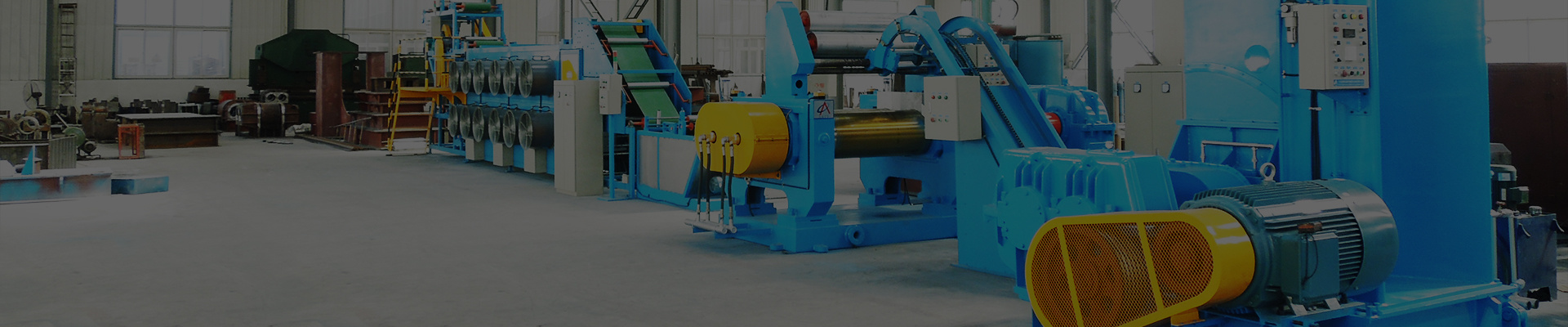
The Ultimate DIY Plastic Pellet Machine Project: Get Started Today
Time of issue:
2023-12-20
There are numerous benefits to starting your own DIY plastic pellet machine project. Firstly, you have control over the entire process, from sourcing plastic waste to producing high-quality pellets
1. Introduction: The Importance of Plastic Recycling
Plastic waste has become a significant environmental issue, polluting our land, rivers, and oceans. Recycling plastic is crucial to reduce its negative impact on the planet. By embarking on the DIY plastic pellet machine project, you can actively contribute to plastic waste reduction and create a positive change.
2. Understanding Plastic Pellets: What Are They?
Plastic pellets are small, cylindrical pieces of plastic used as raw material in various industries. They are commonly used in the manufacturing of plastic products, such as bottles, containers, and packaging materials. By producing your plastic pellets, you can reduce the demand for virgin plastic and reduce the carbon footprint associated with its production.
3. Benefits of DIY Plastic Pellet Machine Project
There are numerous benefits to starting your own DIY plastic pellet machine project. Firstly, you have control over the entire process, from sourcing plastic waste to producing high-quality pellets. Additionally, you can save money by recycling plastic waste instead of purchasing new plastic materials. Furthermore, you contribute to a circular economy by reusing resources and reducing waste.
4. Getting Started: Essential Tools and Materials
Before diving into the DIY plastic pellet machine project, it's important to gather all the necessary tools and materials. Some essential items include a metal frame, heating elements, extrusion die, temperature controller, and motor. By ensuring you have all the required components, you can proceed smoothly with the construction process.
5. Step-by-Step Guide to Building Your Plastic Pellet Machine
To build your own plastic pellet machine, you need to follow a systematic approach. This section will guide you through the design and planning phase, sourcing of components and materials, machine construction, and important safety precautions to consider.
5.1 Design and Planning
Begin by designing the structure and layout of your plastic pellet machine. Consider factors such as size, functionality, and ease of use. Sketch out the design and make necessary adjustments before moving forward.
5.2 Sourcing Components and Materials
Next, source all the required components and materials for your machine. You can find many of these items at local hardware stores or online marketplaces. Ensure that all components are compatible and meet the necessary specifications for your machine.
5.3 Building the Machine
Follow the step-by-step instructions to assemble your plastic pellet machine. Pay close attention to the details and double-check the connections to ensure everything is properly aligned. It's recommended to seek assistance from a professional or experienced DIY enthusiast if you encounter any challenges during the construction process.
5.4 Safety Precautions
Operating any machinery involves certain risks, and it's important to prioritize safety. Install safety features, such as emergency stop buttons and protective guards, to minimize potential hazards. Additionally, wear appropriate personal protective equipment (PPE) when operating the machine.
6. Operating Your DIY Plastic Pellet Machine
Once your plastic pellet machine is constructed, you can start producing plastic pellets. This section will guide you through the process of preparing plastic waste, melting and extruding plastic, and forming high-quality plastic pellets.
6.1 Preparing Plastic Waste
Collect plastic waste from various sources, such as used containers, packaging materials, or discarded products. Clean the plastic waste to remove any contaminants, and sort them by type to ensure consistent results.
6.2 Melting and Extruding Plastic
Melt the plastic waste using the heating elements of your machine. The temperature controller will help you maintain the optimal melting temperature. Once melted, the plastic is extruded through the die, creating cylindrical strands.
6.3 Forming Plastic Pellets
After extrusion, the plastic strands need to be cut into small pellets. This can be achieved using a pelletizer or a similar device. The pellets should have a uniform size and shape for better usability.
7. Troubleshooting Common Issues
During the operation of your plastic pellet machine, you may encounter certain challenges. This section provides troubleshooting tips for common issues, such as inconsistent pellet size, machine overheating, or motor malfunctions. By following these guidelines, you can address problems effectively and ensure smooth operation.
8. Maintenance and Upkeep of Your Plastic Pellet Machine
Regular maintenance and upkeep of your plastic pellet machine are essential for its longevity and optimal performance. This section outlines the recommended maintenance tasks and provides tips on cleaning, lubrication, and inspection. By following these guidelines, you can extend the lifespan of your machine and prevent potential breakdowns.
Embarking on the DIY plastic pellet machine project is a rewarding endeavor that allows you to actively contribute to a more sustainable future. By recycling plastic waste and producing your own plastic pellets, you reduce environmental pollution, save money, and promote the circular economy. Start your project today and make a positive impact on the world.
Relevant Information
The Second Day of the Shanghai Exhibition
2025-09-18
The second day of the Greater Bay Area Expo
2025-05-16

ADD
Room 3718,No.9-1.Haifu Road,Dalian Free Trade Zone,China(Liaoning)Free Trade Pilot Area
PRODUCTS