



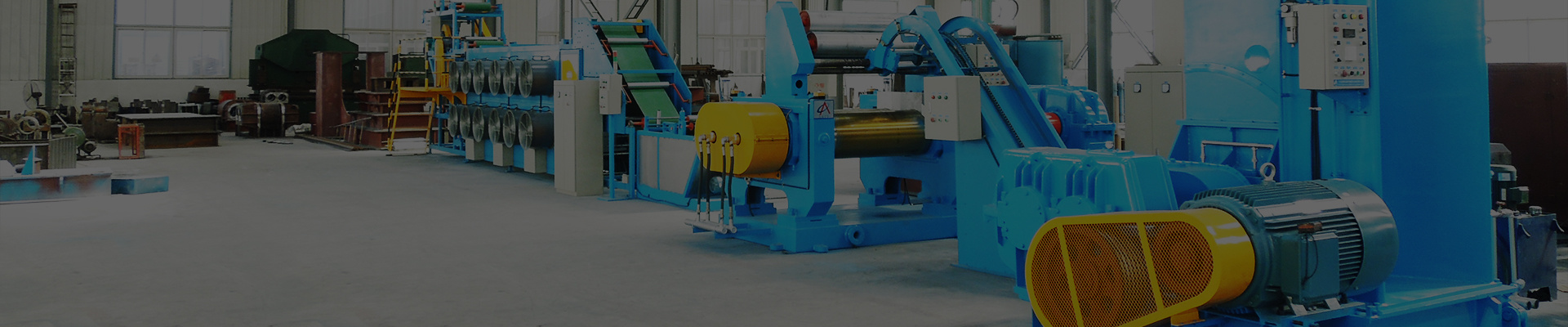
The Role of Wholesale Rubber Refining Mills in Sustainable Manufacturing
Time of issue:
2025-01-20
Wholesale rubber refining mills play a crucial role in advancing sustainable manufacturing practices within the rubber industry
Wholesale rubber refining mills are specialized facilities that process raw rubber materials to enhance their quality and usability. These mills take various forms of rubber, including natural and synthetic types, and refine them into reusable materials. This process often involves breaking down the rubber into smaller particles, removing impurities, and enhancing the material properties to meet specific manufacturing needs.
The primary goal of these mills is to produce high-quality rubber that can be used in various applications, including automotive parts, tires, and industrial components. By focusing on refining, these mills reduce the need for new raw materials, thereby playing a crucial role in promoting sustainability.
Importance of Sustainable Manufacturing
Sustainable manufacturing is essential for several reasons:
1. **Environmental Responsibility:** The process helps in reducing waste, conserving resources, and minimizing pollution. By adopting sustainable practices, businesses can significantly decrease their environmental impact.
2. **Economic Viability:** Sustainable manufacturing can lead to cost savings in the long run. By optimizing processes and reducing waste, companies can improve their bottom line.
3. **Consumer Demand:** As consumers become more environmentally conscious, there is an increasing demand for products made through sustainable methods. Companies that prioritize sustainability are more likely to attract and retain customers.
4. **Regulatory Compliance:** Many governments are implementing stricter regulations regarding waste disposal and emissions. Companies that adopt sustainable practices are better equipped to comply with these regulations.
Key Processes in Wholesale Rubber Refining
Wholesale rubber refining involves several processes that enhance the quality and sustainability of rubber materials. Some of the key processes include:
1. Grinding and Milling
The initial step in rubber refining is grinding the rubber into smaller particles. This process increases the surface area of the rubber, making it easier to treat and process. Advanced mills equipped with cutting-edge technology can achieve this efficiently, ensuring minimal energy consumption.
2. Devulcanization
Devulcanization is a critical process that reverses the vulcanization of rubber. This chemical reaction, which usually occurs during the initial rubber production, creates cross-links in the rubber molecules. By breaking these cross-links, devulcanization allows the rubber to be reused, reducing the need for new materials.
3. Compounding
Compounding involves blending the refined rubber with other materials to achieve the desired properties for specific applications. This may include adding fillers, plasticizers, or other chemical agents to enhance durability, elasticity, or resistance to wear.
4. Quality Control
Quality control is paramount in wholesale rubber refining. Strict testing and evaluation ensure that the refined products meet industry standards and customer specifications. This process often involves physical, chemical, and performance testing to confirm the rubber's quality.
Environmental Benefits of Rubber Refining
The environmental benefits of wholesale rubber refining are substantial:
1. Waste Reduction
One of the most significant advantages of rubber refining is the reduction of waste. By reprocessing used rubber materials, wholesale rubber refining mills help divert waste from landfills, contributing to a more sustainable waste management system.
2. Resource Conservation
Refining used rubber reduces the demand for new raw materials, which helps conserve natural resources. This is particularly important in the rubber industry, where natural rubber is derived from rubber trees, making resource conservation crucial.
3. Lower Carbon Footprint
Sustainable rubber refining practices can lead to lower carbon emissions. By optimizing processes and utilizing renewable energy sources, mills can significantly reduce their overall carbon footprint, contributing to global efforts against climate change.
4. Promoting Circular Economy
The wholesale rubber refining process aligns perfectly with the principles of a circular economy. By reusing and recycling rubber materials, these mills support an economic model that emphasizes sustainability and resource efficiency.
Economic Advantages of Sustainable Practices
In addition to environmental benefits, there are substantial economic advantages to adopting sustainable practices in wholesale rubber refining:
1. Cost Savings
By reducing waste and optimizing resource usage, businesses can realize significant cost savings. These savings can then be reinvested into further sustainable initiatives, creating a positive feedback loop.
2. Increased Competitiveness
Companies that adopt sustainable manufacturing practices often gain a competitive edge. As consumers increasingly favor eco-friendly products, businesses that prioritize sustainability can attract a larger market share.
3. Access to New Markets
The demand for sustainable products is growing globally. By refining rubber sustainably, mills can access new markets and customer segments focused on eco-friendly practices.
4. Enhanced Brand Reputation
Sustainability is becoming a vital factor in brand reputation. Companies that demonstrate a commitment to sustainable practices often enjoy enhanced reputations among consumers, leading to increased loyalty and sales.
Challenges Faced by the Industry
Despite the numerous advantages, wholesale rubber refining mills encounter several challenges, including:
1. Technological Limitations
While many mills are equipped with advanced technologies, ongoing innovation is necessary to improve efficiency and effectiveness continually. Investment in new technologies can be costly and may deter some businesses.
2. Regulatory Compliance
As environmental regulations become stricter, wholesale rubber refining mills must adapt to comply with new standards. This requires ongoing investments in technology and processes, which can strain resources.
3. Market Fluctuations
The rubber industry is susceptible to market fluctuations, with changing supply and demand affecting prices. This volatility can impact the profitability of wholesale rubber refining mills.
4. Consumer Awareness
While awareness of sustainability is growing, there are still gaps in consumer knowledge regarding the environmental impact of rubber products. Educating consumers about the benefits of refined rubber materials is essential for promoting sustainability within the industry.
Future Trends in Wholesale Rubber Refining
Looking ahead, several trends are shaping the future of wholesale rubber refining:
1. Advanced Recycling Technologies
The development of advanced recycling technologies will enhance the efficiency of rubber refining processes. These innovations will allow for improved recovery rates and the production of higher-quality rubber materials.
2. Integration of IoT and AI
The integration of the Internet of Things (IoT) and artificial intelligence (AI) into rubber refining processes will bolster efficiency and transparency. These technologies can optimize operations and provide real-time data for better decision-making.
3. Growing Demand for Eco-Friendly Products
As consumer awareness of environmental issues increases, there will be a growing demand for eco-friendly rubber products. Wholesale rubber refining mills that adopt sustainable practices will be well-positioned to meet this demand.
4. Collaboration and Partnerships
Collaboration between manufacturers, suppliers, and environmental organizations will become increasingly critical. By working together, stakeholders can develop innovative solutions to drive sustainability in the rubber industry.
Conclusion
Wholesale rubber refining mills play a crucial role in advancing sustainable manufacturing practices within the rubber industry. Through efficient processes, environmental benefits, and economic advantages, these mills are leading the charge toward a more sustainable future. Despite facing challenges, the ongoing commitment to innovation and collaboration will ensure that wholesale rubber refining continues to evolve and contribute to the circular economy. By embracing sustainability, we are not only securing a healthier planet but also paving the way for a prosperous and responsible rubber industry.
Relevant Information
The Second Day of the Shanghai Exhibition
2025-09-18
The second day of the Greater Bay Area Expo
2025-05-16

ADD
Room 3718,No.9-1.Haifu Road,Dalian Free Trade Zone,China(Liaoning)Free Trade Pilot Area
PRODUCTS