



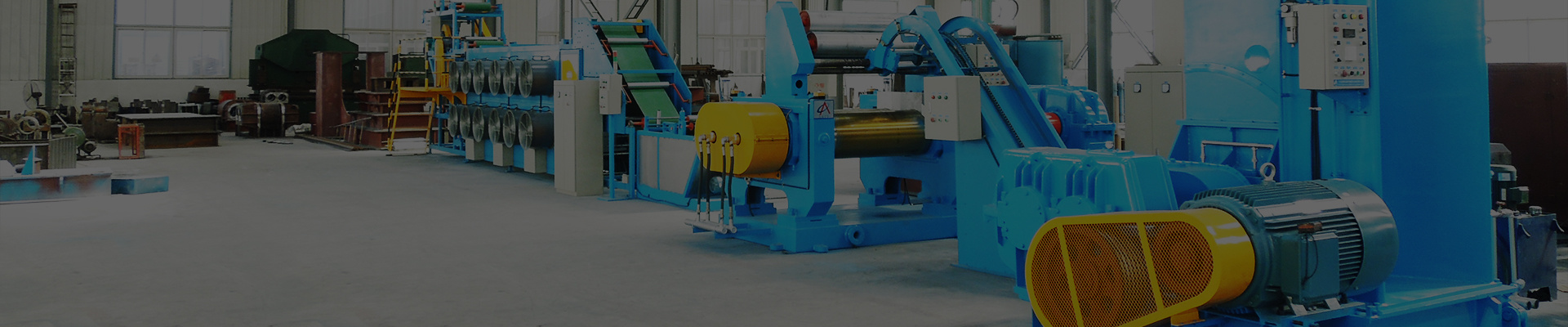
The Ultimate Guide to Plastic Pellet Making Machines
Time of issue:
2023-12-22
Table of Contents 1. Introduction to Plastic Pellet Making Machines 2. The Importance of Plastic Pellet Making Machines 3. Types of Plastic Pellet Making Machines 3.1. Extrusion Pelletizing Machines 3.2. Strand Pelletizing Machines 3.3. Underwater Pelletizing Machines 3.4. Air Cooling Pelletizing Machines 4. Factors to Consider When Choosing a Plastic Pellet Making Machine 4.1. Prod
1. Introduction to Plastic Pellet Making Machines
2. The Importance of Plastic Pellet Making Machines
3. Types of Plastic Pellet Making Machines
3.1. Extrusion Pelletizing Machines
3.2. Strand Pelletizing Machines
3.3. Underwater Pelletizing Machines
3.4. Air Cooling Pelletizing Machines
4. Factors to Consider When Choosing a Plastic Pellet Making Machine
4.1. Production Capacity
4.2. Pellet Size and Shape
4.3. Material Compatibility
4.4. Energy Efficiency
4.5. Ease of Operation and Maintenance
5. How to Operate a Plastic Pellet Making Machine
5.1. Preparation and Setup
5.2. Loading the Raw Material
5.3. Adjusting Parameters
5.4. Monitoring and Troubleshooting
6. Tips for Optimizing Plastic Pellet Making Machines
6.1. Proper Maintenance and Cleaning
6.2. Regular Calibration and Adjustment
6.3. Efficient Cooling and Drying
6.4. Quality Control and Testing
7. FAQs about Plastic Pellet Making Machines
7.1. What are the main applications of plastic pellets?
7.2. How long does it take to produce plastic pellets?
7.3. Can different types of plastic be mixed in the pellet making process?
7.4. What safety precautions should be taken when operating a plastic pellet making machine?
7.5. How can I improve the pellet quality?
8. Conclusion
Introduction to Plastic Pellet Making Machines
Plastic pellet making machines play a crucial role in the manufacturing and processing of plastic products. They are designed to transform raw plastic materials into uniform pellets, which can then be used for various purposes such as injection molding, extrusion, and more. This section will provide an overview of the significance and benefits of using plastic pellet making machines.
The Importance of Plastic Pellet Making Machines
Plastic pellet making machines offer numerous advantages for manufacturers and processors in the plastic industry. By converting plastic waste or virgin materials into uniform pellets, these machines facilitate efficient production processes, reduce material waste, and ensure consistent product quality. Additionally, plastic pellets are easier to transport, store, and handle compared to bulk plastic materials.
Types of Plastic Pellet Making Machines
There are several types of plastic pellet making machines available on the market, each with its own unique features and benefits. This section will explore the different types of machines commonly used in the industry.
Extrusion Pelletizing Machines
Extrusion pelletizing machines are widely used for producing plastic pellets from thermoplastic materials. They utilize a screw extruder to melt and homogenize the plastic, which is then forced through a die plate to form pellets of desired size and shape. This type of machine is suitable for high-volume production and can handle a wide range of plastic materials.
Strand Pelletizing Machines
Strand pelletizing machines are commonly used for producing plastic pellets from materials that are not suitable for extrusion. In this process, molten plastic is extruded through a die and cut into strands, which are then cooled and chopped into pellets. Strand pelletizing machines are known for their flexibility and ability to handle materials with high viscosity or additives.
Underwater Pelletizing Machines
Underwater pelletizing machines are ideal for producing plastic pellets with excellent shape and surface quality. The extruded plastic strands are immediately submerged in a water bath, which solidifies the molten plastic and allows for precise pellet cutting. This method is particularly suitable for heat-sensitive materials or those requiring enhanced pellet quality.
Air Cooling Pelletizing Machines
Air cooling pelletizing machines are commonly used for producing plastic pellets from materials that solidify quickly. The molten plastic is extruded, cooled by forced air, and then cut into pellets. This type of machine is efficient, cost-effective, and suitable for a wide range of plastic materials.
Factors to Consider When Choosing a Plastic Pellet Making Machine
Selecting the right plastic pellet making machine for your specific needs is crucial for achieving optimal results. This section will highlight the key factors to consider when making a purchase decision.
Production Capacity
The production capacity of a plastic pellet making machine determines the amount of pellets it can produce within a given timeframe. Consider your production requirements and choose a machine that can meet your output needs efficiently.
Pellet Size and Shape
Different applications require specific pellet sizes and shapes. Ensure that the machine you choose offers customizable options for pellet size and shape to fulfill your product requirements.
Material Compatibility
Not all plastic pellet making machines are suitable for all types of plastic materials. Take into account the compatibility of the machine with the specific materials you intend to process.
Energy Efficiency
Energy consumption is a significant consideration when operating a plastic pellet making machine. Look for machines that are energy-efficient to minimize operational costs and environmental impact.
Ease of Operation and Maintenance
A user-friendly machine with easy operation and maintenance procedures can significantly improve productivity and reduce downtime. Consider machines that come with clear instructions, intuitive interfaces, and accessible maintenance points.
How to Operate a Plastic Pellet Making Machine
Operating a plastic pellet making machine requires careful preparation, attention to detail, and adherence to safety guidelines. This section will provide step-by-step instructions on operating the machine effectively.
Preparation and Setup
Before starting the machine, ensure that all necessary safety precautions are in place. Clean and inspect the machine for any damage or obstructions. Connect the power supply and ensure a stable working environment.
Loading the Raw Material
Carefully load the raw plastic material into the machine's feeding system. Follow the manufacturer's guidelines for the appropriate amount and process temperature.
Adjusting Parameters
Set the desired parameters such as screw speed, temperature, and die plate configuration according to the material properties and desired pellet specifications. Refer to the machine's manual for specific instructions.
Monitoring and Troubleshooting
Throughout the operation, closely monitor the machine's performance, including temperature, pressure, and pellet quality. Immediately address any issues or abnormalities that may arise, following the troubleshooting guidelines provided by the manufacturer.
Tips for Optimizing Plastic Pellet Making Machines
To maximize the efficiency and performance of your plastic pellet making machine, it is essential to implement proper optimization techniques. This section will provide valuable tips for optimizing your machine's operation.
Proper Maintenance and Cleaning
Regular maintenance and cleaning are crucial for ensuring the longevity and reliability of your plastic pellet making machine. Follow the recommended maintenance schedule and clean the machine thoroughly after each use.
Regular Calibration and Adjustment
Periodically calibrate and adjust the machine parameters to ensure consistent pellet size, shape, and quality. Regularly check and fine-tune the temperature, pressure, and other operating parameters to optimize the machine's performance.
Efficient Cooling and Drying
Proper cooling and drying of plastic pellets are essential to prevent deformation, sticking, or moisture-related issues. Optimize the cooling and drying processes by adjusting the air flow, temperature, and residence time.
Quality Control and Testing
Implement a stringent quality control process to ensure that your plastic pellets meet the required specifications. Regularly test the pellets for properties such as density, moisture content, and mechanical strength to maintain consistent quality.
FAQs about Plastic Pellet Making Machines
Here are some frequently asked questions about plastic pellet making machines:
1. What are the main applications of plastic pellets?
Plastic pellets are widely used in various industries, including automotive, packaging, construction, and consumer goods. They are commonly used for injection molding, extrusion, blow molding, and other plastic processing methods.
2. How long does it take to produce plastic pellets?
The time required to produce plastic pellets depends on factors such as the type of machine, material properties, and desired pellet specifications. Generally, it can range from a few minutes to several hours.
3. Can different types of plastic be mixed in the pellet making process?
In some cases, different types of plastic can be mixed during the pellet making process to achieve desired material properties or reduce waste. However, compatibility and process parameters should be carefully considered to ensure optimal results.
4. What safety precautions should be taken when operating a plastic pellet making machine?
When operating a plastic pellet making machine, it is essential to follow safety guidelines provided by the manufacturer. This may include wearing appropriate protective gear, ensuring proper ventilation, and avoiding contact with hot surfaces.
5. How can I improve the pellet quality?
To improve the pellet quality, ensure that the machine is properly calibrated, the material is of high quality, and the cooling and drying processes are optimized. Regularly monitor and adjust the process parameters to maintain consistent and high-quality pellets.
Conclusion
Plastic pellet making machines are indispensable tools for the plastic industry, enabling efficient production processes, reduced waste, and consistent product quality. By understanding the different types of machines, key factors to consider, and optimization techniques, you can make informed decisions to enhance your manufacturing capabilities. Implement the best practices discussed in this guide to maximize the performance and output of your plastic pellet making machine.
Relevant Information
The Second Day of the Shanghai Exhibition
2025-09-18
The second day of the Greater Bay Area Expo
2025-05-16

ADD
Room 3718,No.9-1.Haifu Road,Dalian Free Trade Zone,China(Liaoning)Free Trade Pilot Area
PRODUCTS