



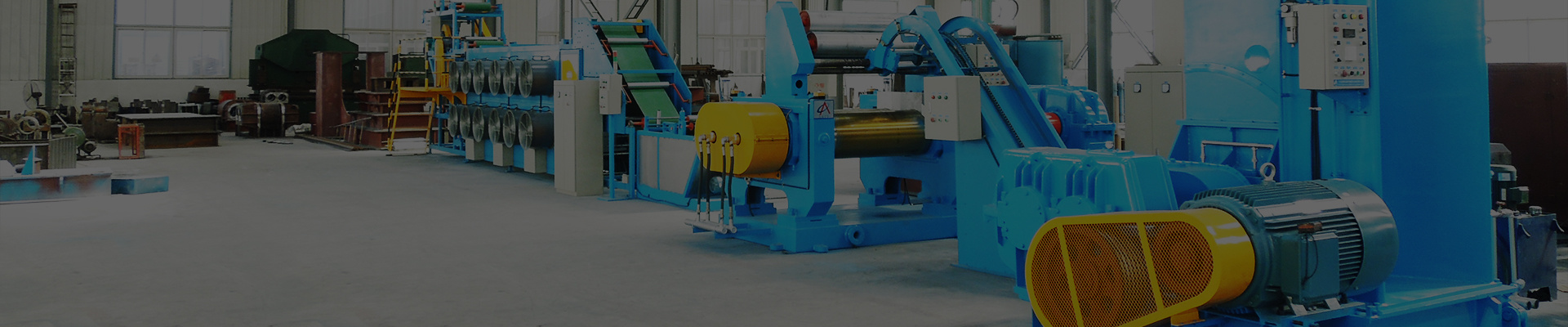
Why Plastic Pellet Making Machines are Essential for Manufacturing
Time of issue:
2023-12-22
Plastic pellet making machines play a crucial role in the manufacturing industry by transforming raw plastic materials into uniform pellets. These machines offer numerous benefits, including increased productivity, customization options, and sustainability efforts
1. Introduction: Understanding the Significance
In the manufacturing industry, plastic plays a vital role due to its versatility, durability, and cost-effectiveness. However, before plastic products can be manufactured, they need to undergo a process called plastic pellet making. Plastic pellet making machines are essential tools in this process, as they transform raw plastic materials into uniform pellets that can be used for various applications.
2. The Process of Plastic Pellet Making
Plastic pellet making involves several steps that ensure the raw plastic materials are transformed into high-quality pellets. First, the plastic materials are fed into the plastic pellet making machine. These materials can range from virgin plastic resin to recycled plastic.
Once inside the machine, the plastic materials are melted and compressed by an extrusion system. This process creates a consistent molten plastic mixture, which is then forced through a die. The die shapes the molten plastic into strands or pellets, depending on the desired output.
3. Key Benefits of Plastic Pellet Making Machines
Plastic pellet making machines offer numerous benefits that make them essential in the manufacturing industry. Firstly, they enable the efficient processing of plastic materials, ensuring minimal waste and maximum productivity. By transforming the raw plastic into uniform pellets, these machines facilitate easier handling and transportation of the plastic materials.
Additionally, plastic pellet making machines allow for the customization of pellet size and shape, catering to the specific requirements of different industries. This versatility ensures that the pellets can be used in a wide range of manufacturing processes, such as injection molding and extrusion.
Moreover, these machines contribute to sustainability efforts by promoting the use of recycled plastic materials. By recycling and reusing plastic waste, manufacturers can reduce their environmental impact and contribute to a greener future.
4. Types of Plastic Pellet Making Machines
a. Single Screw Extruder
The single screw extruder is one of the most common types of plastic pellet making machines. It consists of a single rotating screw within a barrel. This machine is suitable for processing various types of plastics, including thermoplastics and thermosetting plastics. It offers simplicity, cost-effectiveness, and versatility in terms of pellet size and shape.
b. Twin Screw Extruder
The twin screw extruder operates similarly to the single screw extruder, but with the addition of a second screw. This type of machine provides enhanced mixing capabilities and increased production capacity. It is ideal for processing complex plastic materials and achieving precise control over pellet properties.
c. Strand Pelletizing System
The strand pelletizing system utilizes a different approach to pellet formation. Instead of extrusion through a die, the molten plastic is cooled and solidified in a water bath. Subsequently, the solidified strands are cut into uniform pellets. This system is particularly suitable for producing high-quality pellets with minimal thermal degradation.
d. Underwater Pelletizing System
The underwater pelletizing system is a sophisticated method that involves pellet formation under a water surface. The molten plastic is extruded through a die and immediately submerged in a water bath, where the pellets solidify. This system provides excellent pellet quality and is commonly used in industries that require precise pellet properties.
5. Factors to Consider When Choosing a Plastic Pellet Making Machine
When selecting a plastic pellet making machine for your manufacturing needs, several factors should be taken into account:
a. Production Capacity: Assess the machine's output capabilities and ensure it aligns with your production requirements.
b. Energy Efficiency: Opt for machines that are energy-efficient to minimize operational costs and environmental impact.
c. Maintenance Requirements: Consider the maintenance needs of the machine, as regular upkeep is necessary to ensure optimal performance and longevity.
d. Flexibility and Adaptability: Choose a machine that can process a variety of plastic materials and accommodate different pellet sizes and shapes.
Plastic pellet making machines play a crucial role in the manufacturing industry by transforming raw plastic materials into uniform pellets. These machines offer numerous benefits, including increased productivity, customization options, and sustainability efforts.
Relevant Information
The Second Day of the Shanghai Exhibition
2025-09-18
The second day of the Greater Bay Area Expo
2025-05-16

ADD
Room 3718,No.9-1.Haifu Road,Dalian Free Trade Zone,China(Liaoning)Free Trade Pilot Area
PRODUCTS