



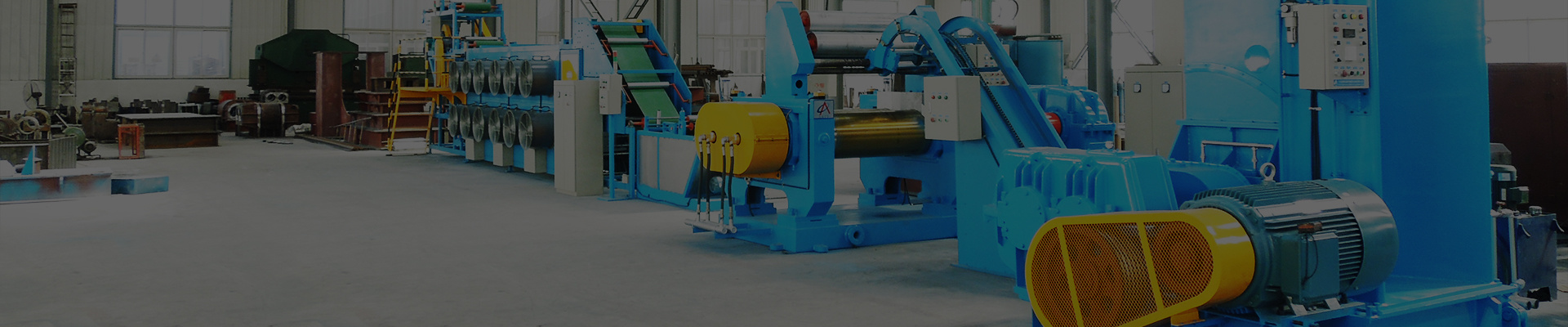
Top 10 Benefits of Using Rubber Kneaders in Manufacturing
Time of issue:
2023-12-15
Table of Contents 1. Introduction 2. Increased Production Efficiency 3. Enhanced Product Quality 4. Versatility in Material Processing 5. Cost Savings 6. Improved Safety Measures 7. Reduced Downtime 8. Energy Efficiency 9. Environmental Sustainability 10. Adaptability to Various Manufacturing Processes Introduction Rubber kneaders are an essential component in the manufacturing industry, particula
Table of Contents
1. Introduction
2. Increased Production Efficiency
3. Enhanced Product Quality
4. Versatility in Material Processing
5. Cost Savings
6. Improved Safety Measures
7. Reduced Downtime
8. Energy Efficiency
9. Environmental Sustainability
10. Adaptability to Various Manufacturing Processes
Introduction
Rubber kneaders are an essential component in the manufacturing industry, particularly in the production of rubber compounds. These machines are designed to efficiently mix and knead rubber materials to achieve the desired consistency and properties. The use of rubber kneaders offers a wide range of benefits that significantly contribute to the success and profitability of manufacturing operations.
Increased Production Efficiency
One of the significant advantages of using rubber kneaders in manufacturing is the increased production efficiency they bring. These machines are designed to handle large volumes of materials and can mix them thoroughly in a short amount of time. With their high-speed mixing capabilities, rubber kneaders can significantly reduce the production time required for rubber compounds and other materials, allowing manufacturers to meet their production targets more effectively.
Enhanced Product Quality
Another key benefit of using rubber kneaders is the enhanced product quality they offer. These machines ensure uniform mixing and dispersion of materials, resulting in consistent product quality. The kneading action of rubber kneaders helps break down any lumps or aggregates in the materials, ensuring a smooth and homogeneous mixture. This leads to improved product performance and reduces the risk of defects or inconsistencies in the final products.
Versatility in Material Processing
Rubber kneaders are highly versatile machines that can process a wide range of materials apart from rubber compounds. They can handle various types of raw materials, including plastics, resins, adhesives, and even food ingredients. This versatility allows manufacturers to utilize rubber kneaders for multiple applications, making them a cost-effective and versatile investment.
Cost Savings
Implementing rubber kneaders in the manufacturing process can result in significant cost savings for manufacturers. These machines operate efficiently, requiring minimal energy consumption while delivering high-performance mixing. The reduced production time and improved product quality achieved with rubber kneaders also contribute to cost savings by minimizing waste, rework, and material losses. Additionally, the versatility of rubber kneaders eliminates the need for multiple machines, saving on equipment costs and maintenance expenses.
Improved Safety Measures
Safety is paramount in any manufacturing environment, and rubber kneaders offer several safety advantages. These machines are equipped with advanced safety features, including emergency stop buttons, safety interlocks, and protective guards. The design of rubber kneaders ensures operator safety by minimizing the risk of accidents or injuries during operation. By prioritizing safety, manufacturers can create a secure work environment and maintain compliance with safety regulations.
Reduced Downtime
Rubber kneaders are known for their reliability and durability, resulting in reduced downtime for manufacturers. These machines are built to withstand heavy-duty operations and require minimal maintenance. The robust construction and high-quality components of rubber kneaders ensure continuous and uninterrupted production. As a result, manufacturers can minimize production downtime caused by equipment failures or maintenance requirements, maximizing overall productivity.
Energy Efficiency
As sustainability becomes increasingly important in manufacturing, energy efficiency is a crucial consideration. Rubber kneaders are designed to operate with high energy efficiency, minimizing energy consumption during the mixing process. The advanced motor control systems and optimized design of rubber kneaders result in reduced energy wastage, leading to lower operational costs and a reduced carbon footprint.
Environmental Sustainability
In addition to energy efficiency, rubber kneaders contribute to environmental sustainability through their waste reduction capabilities. By ensuring thorough mixing and dispersion of materials, these machines minimize material waste and prevent the need for rework. The reliable and consistent mixing achieved with rubber kneaders reduces the amount of scrap generated, promoting a sustainable manufacturing process that minimizes environmental impact.
Adaptability to Various Manufacturing Processes
Rubber kneaders offer adaptability to various manufacturing processes, making them suitable for different industries and applications. Whether it is the production of rubber products, plastics, pharmaceuticals, or chemicals, rubber kneaders can be customized to meet specific manufacturing requirements. Manufacturers can optimize their processes by utilizing rubber kneaders to achieve the desired material properties and characteristics.
Frequently Asked Questions (FAQs)
Q1: Are rubber kneaders suitable for small-scale manufacturing operations?
A1: Yes, rubber kneaders are available in different sizes and capacities, making them suitable for both small-scale and large-scale manufacturing operations.
Q2: Can rubber kneaders handle high-viscosity materials?
A2: Absolutely. Rubber kneaders are designed to handle high-viscosity materials, ensuring efficient mixing and dispersion.
Q3: How can rubber kneaders help reduce production costs?
A3: Rubber kneaders reduce production costs by minimizing material waste, improving product quality, and reducing energy consumption and maintenance requirements.
Q4: Do rubber kneaders require specialized training to operate?
A4: While some familiarity with the operation of rubber kneaders is beneficial, manufacturers can provide training to operators to ensure safe and efficient machine handling.
Q5: Can rubber kneaders be integrated into existing manufacturing processes?
A5: Yes, rubber kneaders can be seamlessly integrated into existing manufacturing processes, offering enhanced efficiency and quality.
Conclusion
Rubber kneaders offer a wide range of benefits to the manufacturing industry. From increased production efficiency and improved product quality to cost savings and environmental sustainability, these machines play a vital role in optimizing manufacturing processes. By utilizing rubber kneaders, manufacturers can achieve their production targets more effectively, enhance product performance, and reduce overall operational costs. Incorporating rubber kneaders into manufacturing operations is a strategic investment that can lead to higher profitability and competitiveness in today's dynamic market.
Relevant Information
The Second Day of the Shanghai Exhibition
2025-09-18
The second day of the Greater Bay Area Expo
2025-05-16

ADD
Room 3718,No.9-1.Haifu Road,Dalian Free Trade Zone,China(Liaoning)Free Trade Pilot Area
PRODUCTS