



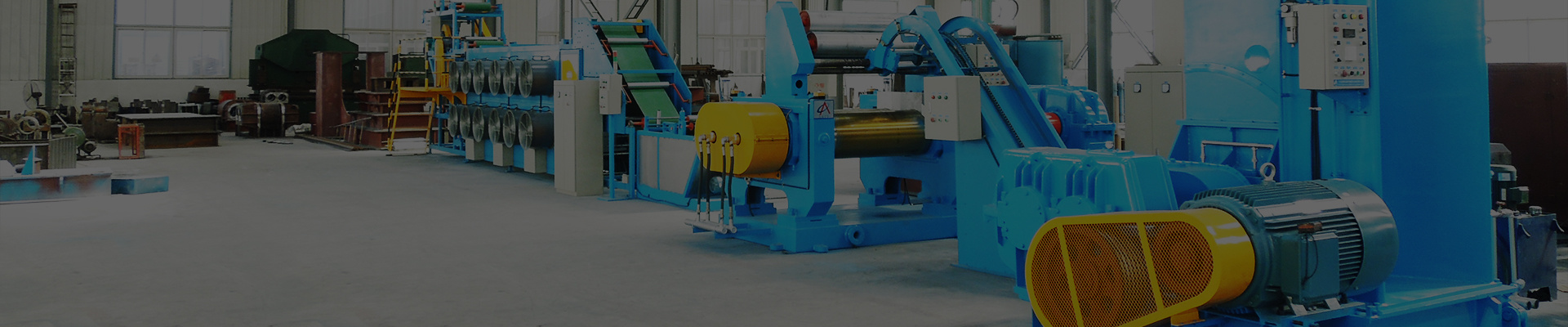
Understanding Rubber Gasket Making Machines: Key Insights for the Chemical Industry
Time of issue:
2024-07-29
Rubber gasket making machines are vital tools in the chemical industry, particularly in the sector of rubber processing. They play a crucial role in producing high-quality rubber gaskets, which are essential components in various applications. Understanding the features and advantages of these machines can greatly benefit manufacturers and businesses alike. The primary function of a rubber gasket
The primary function of a rubber gasket making machine is to produce gaskets of varying shapes and sizes from rubber materials. Gaskets are used to create seals between two surfaces, preventing leaks of fluids or gases. In industries such as chemical manufacturing, automotive, and construction, the integrity of these seals is paramount to ensure safety and efficiency. A reliable gasket can significantly reduce downtime and maintenance costs by preventing leaks and failures.
Typically, rubber gasket making machines employ different techniques such as compression molding, injection molding, and die-cutting to produce gaskets. Compression molding is particularly popular due to its ability to handle a variety of rubber materials, ensuring consistent quality and precision in gasket production. Manufacturers can customize their gaskets based on specific requirements, including material type, thickness, and cut patterns, thereby enhancing their operational efficiency.
Moreover, advancements in technology have led to the development of automated rubber gasket making machines. These machines improve production speed and accuracy, allowing businesses to meet higher demand without compromising quality. Automation reduces the risk of human error while ensuring a consistent output, making it an attractive option for large-scale manufacturers.
Another significant benefit of rubber gasket making machines is their adaptability. They can accommodate various rubber compounds, including Buna-N, silicone, and EPDM, enabling manufacturers to produce gaskets suitable for different environments and applications. This versatility is particularly important in the chemical industry, where gaskets must withstand harsh conditions and chemicals.
When considering a rubber gasket making machine, it's essential to evaluate factors such as production capacity, machine efficiency, and maintenance requirements. Understanding the specific needs of your business will help you choose a machine that aligns with your production goals and operational budget. Additionally, investing in training for your operators will ensure that the machine is used to its full potential, maximizing productivity and minimizing downtime.
In summary, rubber gasket making machines are indispensable in the chemical industry, offering a range of benefits from improved production efficiency to enhanced gasket quality. By leveraging these machines, manufacturers can ensure reliable sealing solutions that meet the rigorous demands of their applications. As the industry continues to evolve, staying informed about the latest advancements in gasket manufacturing technology will be key to maintaining a competitive edge.
Relevant Information
The Second Day of the Shanghai Exhibition
2025-09-18
The second day of the Greater Bay Area Expo
2025-05-16

ADD
Room 3718,No.9-1.Haifu Road,Dalian Free Trade Zone,China(Liaoning)Free Trade Pilot Area
PRODUCTS