



Understanding the Functionality and Benefits of Open Mixing Mills in Rubber Processing
Time of issue:
2024-08-10
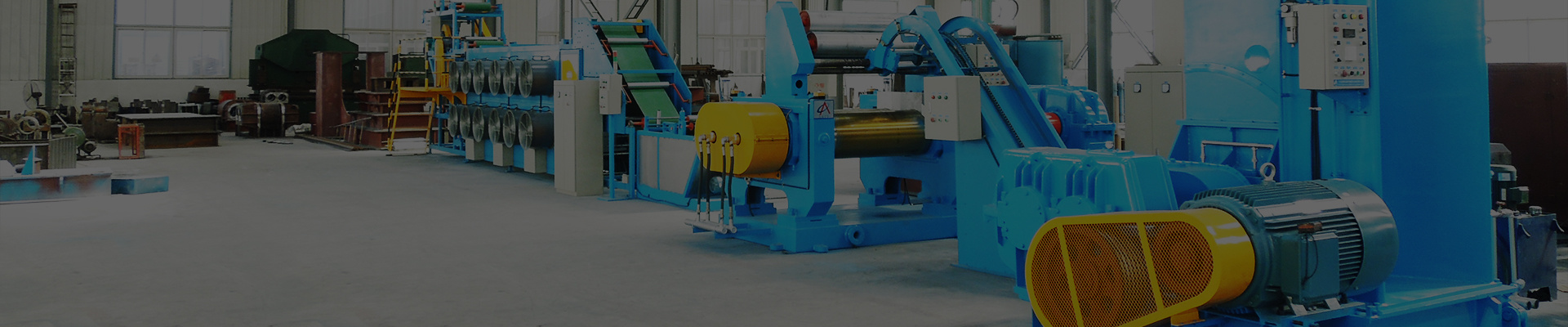
Open mixing mills are essential machines in the rubber processing sector, particularly for the mixing and refining of raw rubber materials. These mills consist of two heavy-duty rollers that rotate in opposite directions, allowing for the effective blending of various compounds. Their design is aimed at achieving a homogeneous mixture, which is critical for producing high-quality rubber products.
One of the primary functions of open mixing mills is to facilitate the dispersion of additives such as accelerators, antioxidants, and fillers into the rubber matrix. The process involves placing rubber and additives into the gap between the rollers. As the rollers turn, they generate shear forces that break down agglomerates and evenly distribute the additives throughout the rubber. This mechanical mixing process is vital for ensuring that the final product meets specific performance criteria, such as strength, elasticity, and durability.
Open mixing mills also offer several advantages over other types of mixing equipment. Firstly, they provide excellent temperature control, which is essential for certain rubber compounds that require precise thermal conditions during mixing. By adjusting the temperature of the rollers, operators can optimize the mixing process and enhance the properties of the final product.
Moreover, open mixing mills are known for their versatility. They can handle a wide range of rubber compounds, including natural rubber, synthetic rubber, and thermoplastics. This adaptability makes them a valuable asset in various applications, from automotive tires to industrial seals and gaskets.
In addition to their mixing capabilities, open mixing mills contribute to improved efficiency and productivity in rubber processing. With their robust construction and straightforward operation, these mills can handle large batches of material, reducing processing time and labor costs. Furthermore, the continuous operation of open mixing mills allows for a streamlined workflow, minimizing the interruptions commonly associated with batch processing systems.
It is also worth noting that safety considerations are crucial in the operation of open mixing mills. Proper training for operators, regular maintenance, and adherence to safety protocols can prevent accidents and ensure a safe workplace environment. Regular inspections of the machinery can help identify wear and tear, allowing for timely repairs and minimizing downtime.
In summary, open mixing mills are indispensable in the rubber processing industry. Their ability to provide consistent, high-quality mixing and their versatility make them a preferred choice for manufacturers. By understanding the functionality and operational benefits of these machines, industry professionals can optimize their production processes and enhance the quality of their rubber products.
Relevant Information
The Second Day of the Shanghai Exhibition
2025-09-18
The second day of the Greater Bay Area Expo
2025-05-16

ADD
Room 3718,No.9-1.Haifu Road,Dalian Free Trade Zone,China(Liaoning)Free Trade Pilot Area
PRODUCTS