



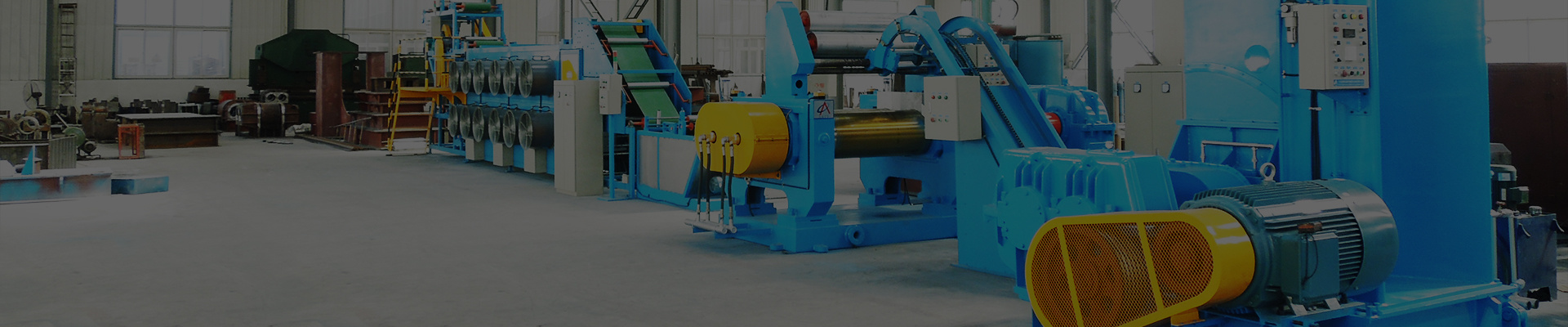
Unleash Your Creativity with a DIY Plastic Pellet Machine
Time of issue:
2023-12-20
Table of Contents: 1. Introduction: Understanding Plastic Pellets 2. Benefits of Making Your Own Plastic Pellets 3. DIY Plastic Pellet Machine: A Step-by-Step Guide 4. Safety Precautions and Equipment Requirements 5. Sourcing Materials for Your DIY Pellet Machine 6. Building Your DIY Plastic Pellet Machine 7. Pelletizing Process: From Plastic Waste to Pellets 8. Applications of Plastic Pellets: En
1. Introduction: Understanding Plastic Pellets
2. Benefits of Making Your Own Plastic Pellets
3. DIY Plastic Pellet Machine: A Step-by-Step Guide
4. Safety Precautions and Equipment Requirements
5. Sourcing Materials for Your DIY Pellet Machine
6. Building Your DIY Plastic Pellet Machine
7. Pelletizing Process: From Plastic Waste to Pellets
8. Applications of Plastic Pellets: Endless Possibilities
9. Frequently Asked Questions (FAQs)
10. Conclusion
1. Introduction: Understanding Plastic Pellets
Plastic pellets play a vital role in various industries, including manufacturing, packaging, and construction. These small, cylindrical pieces of plastic are used as raw materials for creating a wide range of plastic products. By understanding the process of manufacturing plastic pellets, you can gain a deeper appreciation for the versatility of plastic and its impact on our daily lives.
2. Benefits of Making Your Own Plastic Pellets
2.1 Cost-Efficiency: Producing your own plastic pellets can significantly reduce production costs, as you eliminate the need to purchase ready-made pellets from suppliers.
2.2 Recycling: By reusing plastic waste and transforming it into pellets, you contribute to a more sustainable and eco-friendly approach to plastic recycling.
2.3 Customization: DIY plastic pellet machines allow you to experiment with different types of plastics, colors, and additives, opening up a world of possibilities for unique product creations.
3. DIY Plastic Pellet Machine: A Step-by-Step Guide
3.1 Step 1: Gather the necessary equipment and tools
3.2 Step 2: Design your machine layout and dimensions
3.3 Step 3: Assemble the frame and base of the machine
3.4 Step 4: Install the heating and extrusion system
3.5 Step 5: Integrate the control panel and power source
3.6 Step 6: Test and calibrate the machine
4. Safety Precautions and Equipment Requirements
4.1 Safety goggles and gloves: Protect yourself from potential hazards during the construction and operation of your DIY plastic pellet machine.
4.2 Ventilation system: Ensure a well-ventilated workspace to prevent the buildup of harmful fumes.
4.3 Extrusion system: Select a high-quality extrusion system capable of melting and forming plastic pellets efficiently.
5. Sourcing Materials for Your DIY Pellet Machine
5.1 Plastic waste: Collect various types of plastic waste, such as bottles, containers, and packaging materials, to serve as the raw material for your plastic pellets.
5.2 Additives and colorants: Enhance the properties and appearance of your pellets by incorporating additives and colorants into the plastic mixture.
6. Building Your DIY Plastic Pellet Machine
6.1 Frame and base construction: Follow detailed instructions to construct a sturdy frame and base for your machine.
6.2 Heating system installation: Install a reliable heating system that can efficiently melt the plastic waste.
6.3 Extrusion system assembly: Assemble the extrusion system components, including the screw, barrel, and die, to facilitate the formation of plastic pellets.
7. Pelletizing Process: From Plastic Waste to Pellets
7.1 Preparing the plastic mixture: Sort and clean the plastic waste before shredding it into smaller pieces. Mix the plastic with additives and colorants, if desired.
7.2 Melting and extrusion: Feed the plastic mixture into the machine's hopper, where it will be melted and forced through the extrusion system.
7.3 Cooling and cutting: As the molten plastic passes through the extruder, it solidifies and is cut into uniform pellet shapes.
8. Applications of Plastic Pellets: Endless Possibilities
8.1 Injection molding: Plastic pellets are widely used in the injection molding process to create a variety of products, including automotive components, toys, and household items.
8.2 3D printing: The use of plastic pellets in 3D printing offers greater flexibility and enables the production of complex and customized designs.
8.3 Film and sheet production: Plastic pellets are melted and converted into films and sheets for applications in packaging, agriculture, and construction.
9. Frequently Asked Questions (FAQs)
FAQ 1: Can I use any type of plastic waste for the DIY plastic pellet machine?
FAQ 2: How much does it cost to build a DIY plastic pellet machine?
FAQ 3: Are there any safety considerations when operating the machine?
FAQ 4: Can I sell the plastic pellets I produce?
FAQ 5: Are DIY plastic pellet machines suitable for small-scale production?
10. Conclusion
In conclusion, a DIY Plastic Pellet Machine offers an exciting opportunity to unleash your creativity while contributing to a more sustainable approach to plastic recycling. By following the step-by-step guide outlined in this article, you can build your own machine and produce high-quality plastic pellets that can be used in various industries. Take control of your plastic waste and explore the endless possibilities of plastic pellet manufacturing today.
Relevant Information
The Second Day of the Shanghai Exhibition
2025-09-18
The second day of the Greater Bay Area Expo
2025-05-16

ADD
Room 3718,No.9-1.Haifu Road,Dalian Free Trade Zone,China(Liaoning)Free Trade Pilot Area
PRODUCTS