



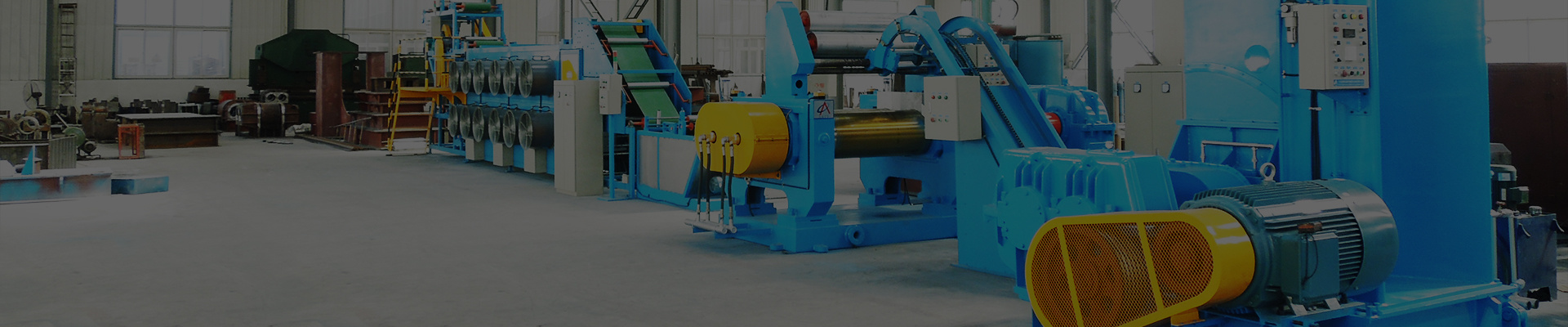
DIY Plastic Pellet Machine: A Cost-Effective Solution for Recycling
Time of issue:
2023-12-20
Table of Contents: 1. Introduction 2. Understanding Plastic Recycling 3. Challenges of Plastic Recycling 4. How Does a Plastic Pellet Machine Work? 5. Benefits of DIY Plastic Pellet Machine 6. Step-by-Step Guide to Building Your Own DIY Plastic Pellet Machine 7. FAQs about DIY Plastic Pellet Machine 8. Conclusion Introduction Do you want to play your part in reducing plastic waste? Are you looking
1. Introduction
2. Understanding Plastic Recycling
3. Challenges of Plastic Recycling
4. How Does a Plastic Pellet Machine Work?
5. Benefits of DIY Plastic Pellet Machine
6. Step-by-Step Guide to Building Your Own DIY Plastic Pellet Machine
7. FAQs about DIY Plastic Pellet Machine
8. Conclusion
Introduction
Do you want to play your part in reducing plastic waste? Are you looking for an affordable and practical solution for recycling plastic at home? Look no further! In this article, we will introduce you to the DIY Plastic Pellet Machine, a cost-effective solution for recycling plastic waste. With this innovative machine, you can transform plastic waste into valuable plastic pellets that can be repurposed for various applications. Let's dive in and explore the world of DIY plastic recycling!
Understanding Plastic Recycling
Plastic recycling is a crucial step towards sustainable waste management. It involves the process of recovering plastic waste and converting it into reusable materials. By recycling plastic, we can reduce the environmental impact of plastic pollution, conserve natural resources, and decrease the need for new plastic production. However, traditional plastic recycling methods can be expensive and require specialized equipment. This is where DIY Plastic Pellet Machine comes into play.
Challenges of Plastic Recycling
Traditional plastic recycling methods often involve complex processes that require large-scale machinery and significant investments. This poses a challenge for individuals or small businesses who want to contribute to plastic waste reduction. Additionally, the transportation and processing costs associated with traditional recycling can be high, making it economically unfeasible for many. However, the DIY Plastic Pellet Machine offers a feasible and cost-effective solution to overcome these challenges.
How Does a Plastic Pellet Machine Work?
A plastic pellet machine is a device that transforms plastic waste into small, uniform pellets or granules. This machine uses heat and pressure to melt and compress plastic waste, converting it into a manageable form. The process involves feeding plastic waste into the machine, where it goes through a series of stages, including melting, filtration, and pelletizing. The resulting plastic pellets can be used for various purposes, such as creating new plastic products or as a fuel source.
Benefits of DIY Plastic Pellet Machine
Investing in a DIY Plastic Pellet Machine offers numerous benefits for individuals and small businesses. Here are some key advantages:
1. Cost Savings: By recycling plastic waste on your own, you can save money on transportation and processing fees associated with traditional recycling methods. A DIY plastic pellet machine allows you to recycle plastic waste at a fraction of the cost.
2. Environmental Impact: Recycling plastic waste with a DIY plastic pellet machine helps reduce the amount of plastic ending up in landfills or oceans. By repurposing plastic waste into useful plastic pellets, you contribute to a cleaner and greener environment.
3. Versatile Applications: The plastic pellets produced by a DIY plastic pellet machine have a wide range of applications. They can be used for creating new plastic products, such as containers, toys, or even 3D printing filament. Alternatively, they can be used as a fuel source in industrial settings.
Step-by-Step Guide to Building Your Own DIY Plastic Pellet Machine
Building a DIY Plastic Pellet Machine may seem like a daunting task, but with the right guidance and resources, it can be achieved. Follow these steps to create your own cost-effective plastic recycling solution:
1. Research and Gather Materials: Start by researching different designs and models of DIY plastic pellet machines. Look for reliable sources and gather the necessary materials, such as a heating element, extruder, and filtration system.
2. Design and Assemble the Machine: Based on the chosen design, assemble the components of your DIY plastic pellet machine. Ensure that all parts are securely connected and aligned.
3. Install Heating Element: The heating element is a crucial component that melts the plastic waste. Install it in the designated area and connect it to the power source.
4. Build Extruder and Filtration System: Construct the extruder, which helps in melting and compressing the plastic waste. Connect it to the filtration system to remove impurities and ensure the quality of the plastic pellets.
5. Test and Optimize: Once the machine is fully assembled, test it with a small amount of plastic waste. Make necessary adjustments to optimize the performance and efficiency of the machine.
6. Start Recycling: Now that your DIY Plastic Pellet Machine is ready, start recycling plastic waste by feeding it into the machine. Monitor the process and collect the plastic pellets for future use.
FAQs about DIY Plastic Pellet Machine
1. What types of plastic can be recycled using a DIY plastic pellet machine?
2. How much does it cost to build a DIY plastic pellet machine?
3. Is it safe to operate a DIY plastic pellet machine at home?
4. Can the plastic pellets produced by a DIY plastic pellet machine be used for 3D printing?
5. Are there any limitations to the size or shape of plastic waste that can be processed?
Conclusion
In conclusion, a DIY Plastic Pellet Machine provides a cost-effective and practical solution for recycling plastic waste. By building your own machine, you can contribute to the reduction of plastic pollution and create valuable plastic pellets that have various applications. With the step-by-step guide provided in this article, you have the knowledge to embark on your own plastic recycling journey. Start today and make a difference in the world of plastic waste management.
Relevant Information
The Second Day of the Shanghai Exhibition
2025-09-18
The second day of the Greater Bay Area Expo
2025-05-16

ADD
Room 3718,No.9-1.Haifu Road,Dalian Free Trade Zone,China(Liaoning)Free Trade Pilot Area
PRODUCTS